Contents:
- Who Makes Haws Watering Cans?
- Haws Watering Can Review: The Models Worth Knowing
- Haws Practican 2-Gallon Plastic Watering Can
- Haws Warley Fall 2-Gallon Galvanized Steel Can
- Haws Indoor Watering Cans (Copper & Brass)
- Build Quality and Design: What Sets Haws Apart
- A Seasonal Watering Calendar: Getting the Most from Your Haws Can
- Haws vs. Competitors: How Does It Stack Up?
- Haws vs. Dramm (US-Made Alternative)
- Haws vs. Big-Box Store Plastic Cans
- Cost Breakdown: What to Budget
- Practical Tips for Getting the Best Results
- Filling and Carrying
- Cleaning the Rose Head
- Storage for Steel Models
- Watering Technique
- Who Should Buy a Haws Watering Can?
- Frequently Asked Questions
- Are Haws watering cans worth the money?
- Where are Haws watering cans made?
- What size Haws watering can should I buy?
- Can Haws watering cans be used for indoor plants?
- How do I prevent rust on a Haws steel watering can?
- Ready to Upgrade Your Watering Routine?
You’re standing in your backyard on a Saturday morning, coffee in hand, realizing your plastic watering can has cracked — again. It’s the third one in four years. This time, you want something that actually lasts. That’s exactly where this Haws watering can review comes in, because this 140-year-old British brand keeps showing up on every “best garden tools” list for a reason.
Haws isn’t a trendy newcomer chasing Instagram aesthetics. It’s a manufacturer with a track record stretching back to 1886, when John Haws patented his first balanced watering can design. That original engineering insight — distributing water weight for easier carrying — is still baked into every can they make today.
Who Makes Haws Watering Cans?
Haws is a British company based in the West Midlands, England. They manufacture both indoor and outdoor watering cans in a range of materials: traditional galvanized steel, powder-coated steel, and plastic. Their products are sold globally, and in the US market you’ll find them at specialty garden retailers, independent nurseries, and online through Amazon and direct importers.
The brand splits into a few distinct product lines. The Haws Practican series uses hard-wearing plastic. The Haws Warley Fall and Heritage ranges use galvanized or painted steel. For indoor use, their small copper and brass cans have a cult following among houseplant enthusiasts. Each line serves a different gardener — and a different budget.
Haws Watering Can Review: The Models Worth Knowing
Haws Practican 2-Gallon Plastic Watering Can
This is the entry point. Retailing around $35–$45 USD, the Practican is made from recycled plastic and comes in several colors. It holds 2 gallons (roughly 9 liters) and includes Haws’ signature brass oval rose head — the attachment that creates that gentle, shower-like water flow. The balance is noticeably better than most big-box store cans at this price. The handle placement means the can sits level when full, so you’re not fighting the weight on every pour.
One honest limitation: the plastic, while durable, doesn’t have the premium feel of the steel models. Over several seasons in a sunny climate, some users report minor fading. For USDA hardiness zones 7–10 where you’re watering year-round, this can gets heavy use fast — plan on inspecting joints annually.
Haws Warley Fall 2-Gallon Galvanized Steel Can
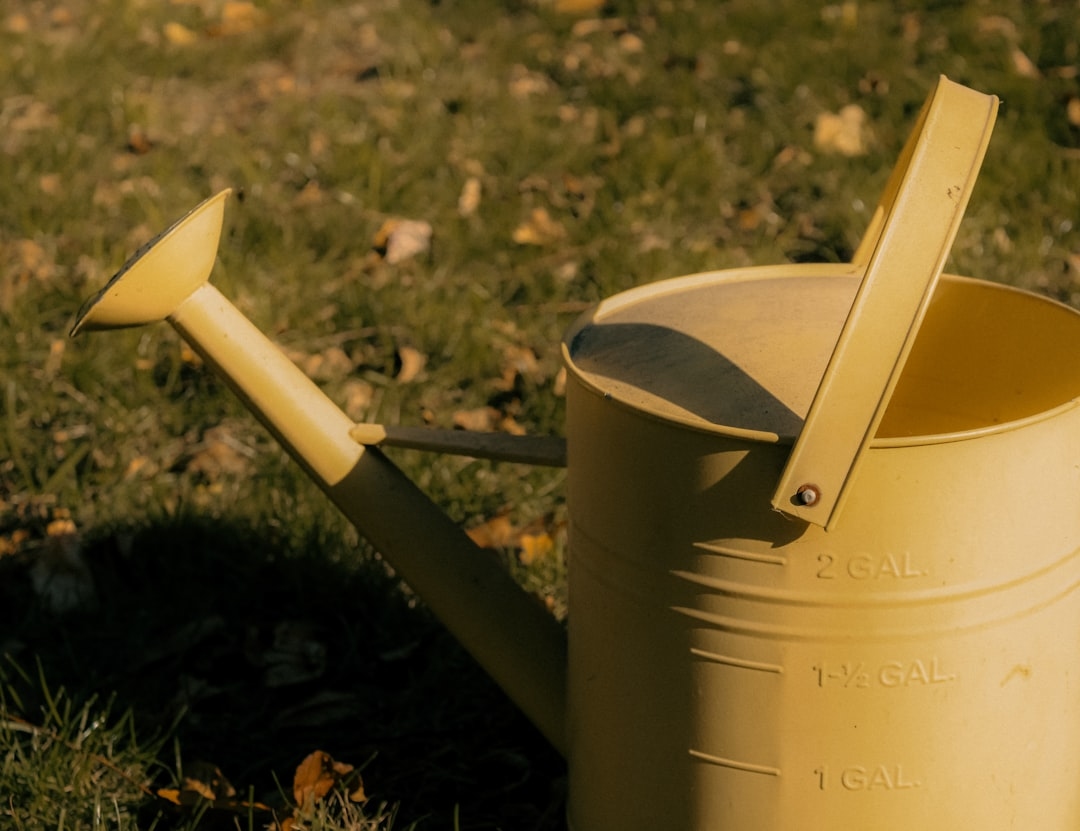
This is the model most serious gardeners gravitate toward. At $85–$110 USD, it’s a real investment, but the galvanized steel construction is built for decades of use. It weighs about 4.4 lbs empty and holds a full 2 gallons. The long spout — approximately 18 inches — gives you precise reach between plant stems without disturbing neighboring foliage.
The oval brass rose is interchangeable, and Haws sells additional rose heads separately (around $12–$18 each) for different spray patterns. A fine rose works beautifully for seedlings; a coarser rose handles established beds faster. That modularity is something you simply don’t get with cheaper cans.
Haws Indoor Watering Cans (Copper & Brass)
These small-capacity cans (typically 1 liter / 0.26 gallons) are purpose-built for houseplants. Prices range from $45 to $75 USD depending on finish. The long, slender spout lets you water directly at soil level in tight pots without soaking leaves — a real advantage for moisture-sensitive plants like succulents or fiddle-leaf figs. They’re decorative enough to leave on a shelf, which matters for apartment gardeners with limited storage.
Build Quality and Design: What Sets Haws Apart
The first thing you notice picking up a Haws steel can is the weight distribution. John Haws’ original patent addressed the problem that Victorian-era watering cans were front-heavy and awkward. Modern Haws cans position the water chamber so the load stays centered over your carrying hand. After 30 minutes of watering, that ergonomic difference is very real.
The brass rose heads are press-fit and removable without tools. They don’t wobble or leak at the connection point — a frustrating flaw on many cheaper cans. The galvanized finish on steel models resists rust well in most climates, though if you leave a steel Haws sitting in standing water or store it outdoors through a wet winter in zones 5–6, surface rust can develop at seams. A quick wipe-down after use and indoor winter storage keeps them pristine indefinitely.
“The oval rose head design on Haws cans produces a water pattern that mimics light rainfall far better than round heads,” says Dr. Patricia Lowell, a horticulturist with 22 years of experience at the Denver Botanic Gardens. “For germinating seeds or newly transplanted seedlings, that gentler distribution genuinely reduces root disturbance and compaction at the soil surface.”
A Seasonal Watering Calendar: Getting the Most from Your Haws Can
A quality watering can is only as useful as the person wielding it. Here’s how use and maintenance shift across the garden year:
- January–February (Zones 7–10): Light indoor use for overwintered plants. Clean the rose head monthly — mineral deposits clog the holes and reduce spray quality. A 30-minute soak in white vinegar clears buildup easily.
- March–April: Seed-starting season. Switch to the fine brass rose. Water seedling trays from above using a sweeping motion — the long Haws spout gives you the control to avoid pooling.
- May–June: Peak outdoor watering begins. Water established beds in early morning (before 10 AM) to minimize evaporation. A 2-gallon can covers roughly 8–12 container plants per fill depending on pot size.
- July–August: Heat stress months. In zones 6–9, containers may need watering twice daily. The Practican plastic can is lighter for frequent trips; the steel can excels for deliberate, slower garden sessions.
- September–October: Taper watering as temperatures drop. Good time to inspect seams and handles on steel cans before storage.
- November–December: Clean, dry, and store steel cans indoors. Plastic cans can stay in an unheated garage in most zones.
Haws vs. Competitors: How Does It Stack Up?
Haws vs. Dramm (US-Made Alternative)
Dramm is a Wisconsin-based manufacturer making solid steel and plastic watering cans in the $30–$70 range. Their ColorStorm series is a popular US alternative. Dramm cans are well-built and available at most Ace Hardware locations, which matters for easy replacement parts. However, Dramm’s spout length is typically shorter (around 12 inches vs. Haws’ 18 inches), which limits reach in tighter plantings. For container gardening on a deck, Dramm is excellent value. For a mixed perennial border or raised beds, Haws’ longer spout earns its price premium.
Haws vs. Big-Box Store Plastic Cans
A standard plastic watering can from a hardware chain costs $10–$20. It will work. For two or three seasons, possibly longer if you’re careful. But the rose heads on budget cans often loosen and leak within a year, handles crack under load, and the balance is noticeably worse. If you’re watering 20+ containers or a serious vegetable plot, the cumulative frustration — and replacement cost — adds up. Three $15 cans over six years equals $45, and you still don’t have the control or durability of a $45 Practican.
Cost Breakdown: What to Budget
Here’s a realistic cost summary for getting set up with Haws:
- Entry level (Practican plastic, 2 gal): $35–$45 — Best for casual gardeners or those new to the brand.
- Mid-range (Warley Fall galvanized steel, 2 gal): $85–$110 — Best for serious home gardeners with regular use.
- Premium (Heritage copper or brass finish): $120–$180 — Best for gift-giving or display-quality tools you want to keep for life.
- Add-on rose heads: $12–$18 each — Worth buying at least one extra fine rose for seed starting.
- Shipping: Many US retailers offer free shipping over $50. Haws products ship from UK via authorized importers, so check delivery timelines — typically 5–10 business days for online orders.
Total starter investment for a serious setup: roughly $100–$130 (steel can + two rose heads). Compare that to professional garden tool brands like Felco or DeWit, where equivalent quality longevity in other tool categories runs $80–$200+, and Haws holds its own on value-per-decade.
Practical Tips for Getting the Best Results
Filling and Carrying
Never fill a 2-gallon Haws can beyond 75% capacity if you have wrist or shoulder issues — a full 2 gallons weighs approximately 16.7 lbs, which is a real load. Fill to 1.5 gallons for comfortable extended sessions. Carry the can using the top handle for transport; switch to the side handle only when actively pouring.
Cleaning the Rose Head
Hard water (common across much of the US Southwest, Midwest, and Mountain West) deposits calcium carbonate in the rose holes quickly. Soak the brass rose in undiluted white vinegar for 20–30 minutes every 4–6 weeks during active season. Use a toothpick — not a metal pin — to clear individual holes without enlarging them.
Storage for Steel Models
Empty completely before storage. Even galvanized steel develops rust spots if water sits stagnant inside over winter. Store upside-down or on its side to allow any residual water to drain fully.
Watering Technique
Hold the rose head about 12–18 inches above the soil for the most even distribution. Moving the can in a slow, overlapping figure-eight pattern covers a larger area per pass than simply holding it stationary. For seedlings, start with the can held higher (18–24 inches) to further soften the impact.
Who Should Buy a Haws Watering Can?
A Haws can is worth the price if you fall into at least one of these categories:
- You water 15+ containers regularly and notice your current can is awkward, dripping, or unbalanced.
- You start seeds annually and want a gentle, controllable flow that won’t dislodge fragile seedlings.
- You care about buying once and not replacing tools every few years — the environmental and financial math both favor a $100 can used for 20 years over a $20 can replaced every 2.
- You garden seriously enough that your tools matter to you the way a good chef’s knife matters in a kitchen.
A Haws can is probably not the right call if you only water a few pots occasionally, are still building out your garden and budget is tight, or you need something primarily for lawn watering (a hose is simply more practical at that scale).
Frequently Asked Questions
Are Haws watering cans worth the money?
Yes, for regular gardeners. The galvanized steel models last decades with basic care, and the ergonomic design reduces wrist fatigue during extended watering sessions. The upfront cost is higher than budget alternatives, but the cost-per-year over a 20-year lifespan is actually lower than replacing cheaper cans every 2–3 years.
Where are Haws watering cans made?
Haws is a British company based in the West Midlands, England, and their cans are manufactured in the UK. They’ve been producing watering cans since 1886.
What size Haws watering can should I buy?
For most home gardeners, the 2-gallon (9-liter) model is the sweet spot — large enough to cover a decent session without constant refilling, but not so heavy that it becomes burdensome. The 1-gallon (4.5-liter) models work well for indoor plants or gardeners with limited strength.
Can Haws watering cans be used for indoor plants?
Absolutely. Haws makes a dedicated indoor range with long, slender spouts designed to reach the soil in tight pots without disturbing foliage. The small copper and brass models (typically 1-liter capacity) are particularly popular for houseplant care.
How do I prevent rust on a Haws steel watering can?
Empty the can completely after each use and store it in a dry location. For winter storage, invert the can to drain any residual water. Avoid leaving water sitting inside for extended periods. If surface rust develops at seams, a light application of WD-40 followed by a dry wipe can slow progression.
Ready to Upgrade Your Watering Routine?
The right starting point depends on your situation. If you’re testing the brand without a major commitment, the Practican plastic can at $35–$45 gives you authentic Haws balance and the signature brass rose at a manageable price. If you’re ready to invest in a tool you’ll still be using in 15 years, go straight for the Warley Fall galvanized steel — it’s the model that earns this brand its reputation.
Either way, pick up a second rose head when you order. The ability to switch between a fine mist for seedlings and a coarser flow for established plants costs about $15 and genuinely changes how you work through the garden season. That small addition turns a good tool into a versatile one — and that’s the kind of practical upgrade that actually changes how you garden.