Contents:
- What Is Terrain, and Why Do Gardeners Keep Talking About It?
- Terrain Garden Tools Review: What’s Actually in the Line?
- Hand Tools
- Long-Handled Tools
- Specialty and Seasonal Items
- Build Quality and Materials: The Honest Assessment
- Terrain vs. Common Alternatives: How Does It Compare?
- Terrain vs. Fiskars
- Terrain vs. Garrett Wade
- Ergonomics and Beginner Friendliness
- Practical Tips for Shopping Terrain Garden Tools
- Value for Money: The Real Calculation
- Who Should Buy Terrain Garden Tools?
- Frequently Asked Questions About Terrain Garden Tools
- Are Terrain garden tools made in the USA?
- How do Terrain garden tools compare to hardware store tools?
- Do Terrain garden tools rust?
- Are Terrain garden tools worth the price for beginners?
- Where can you buy Terrain garden tools?
- The Bottom Line on This Terrain Garden Tools Review
Some garden tools look so good you almost don’t want to get them dirty. That’s exactly the problem — and the appeal — of Terrain garden tools. The gardening line from Anthropologie’s lifestyle brand has built a devoted following among home gardeners who want their potting shed to look as curated as their living room. But pretty tools and practical tools are not always the same thing, and for a beginner spending real money, that difference matters enormously.
This terrain garden tools review cuts through the aesthetic and gets into what actually counts: build quality, ergonomics, longevity, and whether the price tag is justified when you stack Terrain against more utilitarian alternatives. If you’re brand new to gardening and wondering whether to splurge on the rose gold trowel you keep seeing on Instagram, read this first.
What Is Terrain, and Why Do Gardeners Keep Talking About It?
Terrain launched as an offshoot of Anthropologie in 2008, positioning itself at the intersection of gardening, home décor, and lifestyle retail. The brand operates physical store locations — often converted greenhouse spaces — alongside a robust online shop that sells everything from heirloom seeds to ceramic planters to hand-forged pruning shears.
The tools themselves are largely sourced from heritage European manufacturers. Many of the hand tools in Terrain’s line are made by Sneeboer, a Dutch tool company founded in 1913, and by Burgon & Ball, a Sheffield-based brand with roots going back to 1730. These are not cheap white-label products with a pretty handle. They carry real provenance. That context matters when you’re evaluating the price, which typically runs between $28 for a basic hand fork up to $185 or more for long-handled border spades.
The target customer is someone who takes their garden seriously but also thinks about how their space looks and feels. That’s a completely legitimate way to approach gardening, and it’s worth saying clearly: there is nothing wrong with wanting tools that bring you joy every time you pick them up.
Terrain Garden Tools Review: What’s Actually in the Line?
Terrain’s tool selection breaks into a few distinct categories. Understanding the range helps you shop smarter rather than just grabbing whatever looks nice.
Hand Tools
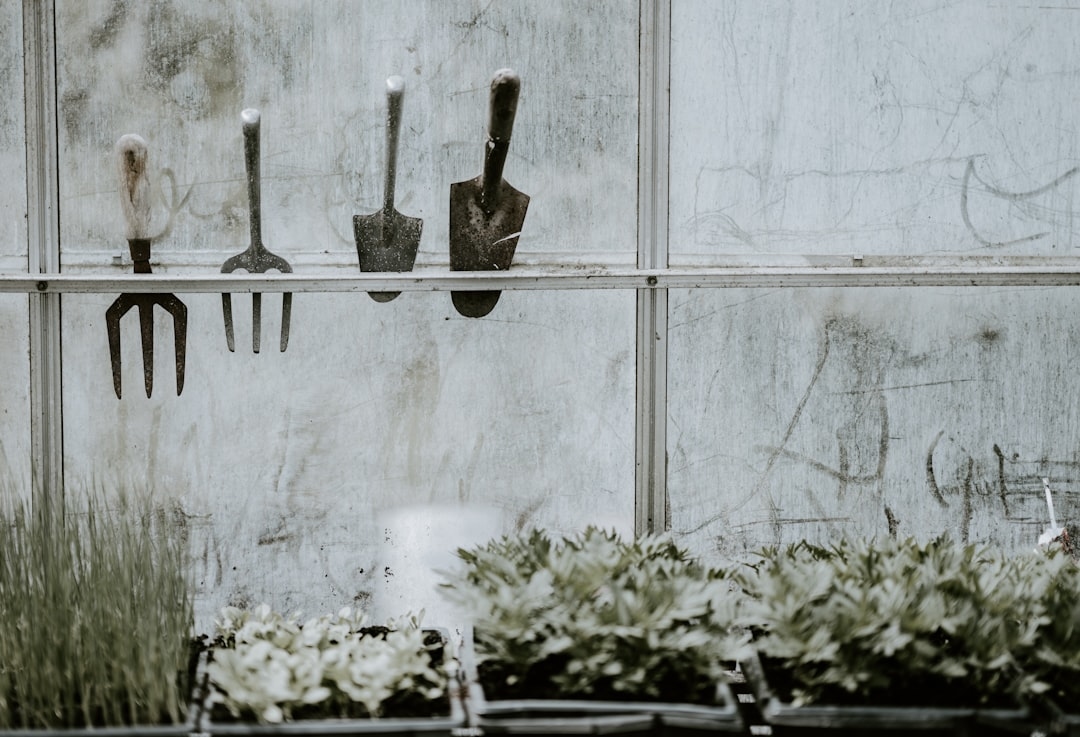
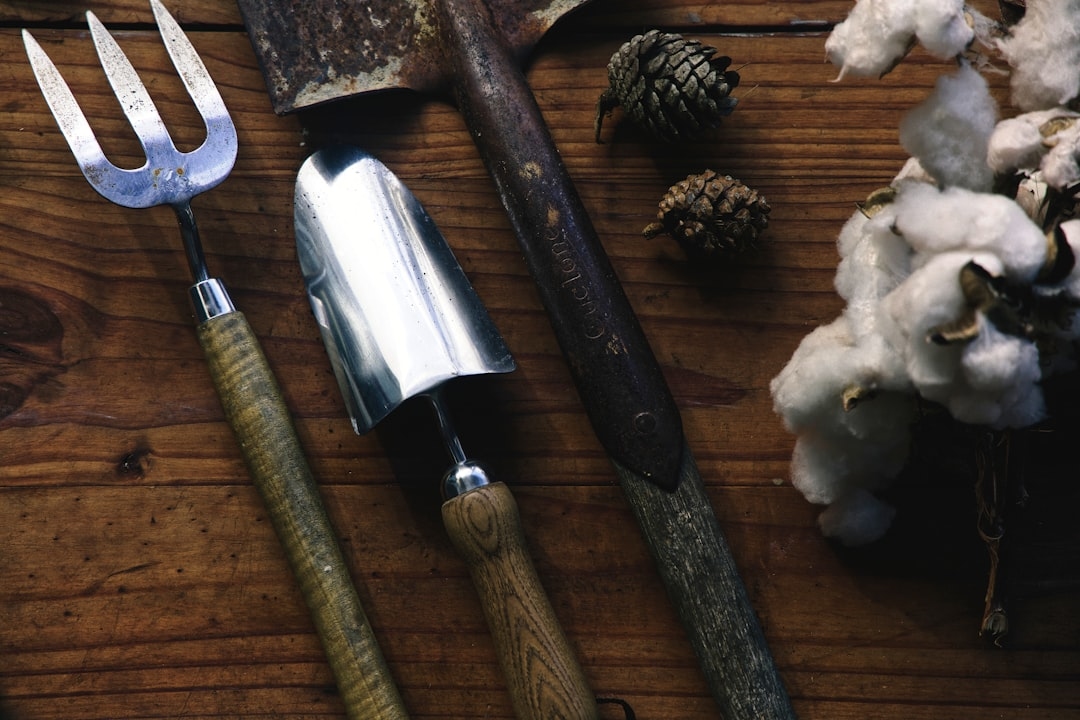
The hand tool collection is where Terrain shines most consistently. The stainless steel trowels, hand forks, and transplanting spades are forged from solid stainless or carbon steel — not stamped sheet metal, which is what you find in most big-box garden tools under $15. Forged tools hold their edge longer and resist bending under pressure. For a beginner digging in clay-heavy soil, that distinction is immediately noticeable.
The handles on premium Terrain hand tools are typically FSC-certified ash wood, finished smooth and comfortable in the palm. Ash is the same wood used in professional-grade axes and baseball bats — dense, shock-absorbing, and durable with minimal maintenance. A light rub of linseed oil once a season keeps them in excellent shape for years.
Long-Handled Tools
The border spades, border forks, and hoes in Terrain’s long-handled range are heavier investments, both financially and practically. A Terrain border fork runs around $120–$145, compared to $35–$55 for a comparable Fiskars or True Temper model at a hardware store. The weight difference is also real: Terrain’s heritage-style tools often run heavier than modern ergonomic designs, which can tire out a beginner faster during a long session.
For new gardeners working small beds or container gardens, the long-handled tools are likely overkill. Start with the hand tools. They’re where you’ll spend most of your time anyway.
Specialty and Seasonal Items
Terrain also stocks pruning shears, soil scoops, seed dibbers, and seasonal items like copper plant labels and jute twine sets. The pruners — often Burgon & Ball models — are well-regarded by hobbyists, though serious pruning enthusiasts typically graduate to Japanese brands like Felco or Okatsune at a similar or higher price point.
Build Quality and Materials: The Honest Assessment
The tools Terrain sells from Sneeboer and Burgon & Ball have genuinely excellent reputations in the horticultural world. This isn’t marketing language — professional gardeners at historic estates and botanical gardens in the UK and Netherlands actually use these tools. The forged stainless construction on Sneeboer tools, in particular, is exceptional: the metal holds its form under hard use, and the weld points between blade and socket (where cheap tools almost always fail first) are solid.
“The tools I recommend to my students are always forged, never stamped,” says Margaret Holloway, certified horticulturist and lead instructor at the Chicago Botanic Garden’s Lenhardt Library Garden education program. “Forged tools cost more upfront, but a stamped trowel that bends in rocky soil is useless. One good forged trowel can last 20 years with basic care.”
That 20-year figure is not hyperbole. Sneeboer tools come with a lifetime guarantee against manufacturing defects, and vintage examples regularly appear on secondhand markets in fully functional condition. Amortize a $65 trowel over two decades and it costs about $3.25 a year. That reframe changes the value calculation significantly.
Where Terrain falls slightly short is in the finishing consistency of its more decorative pieces — the enamel-handled tools and some seasonal items don’t carry the same manufacturing pedigree as the core Sneeboer/Burgon & Ball line. Check the product description carefully: if it lists the manufacturer and country of origin, that’s a good sign. If it’s vague, proceed with more caution.
Terrain vs. Common Alternatives: How Does It Compare?
The most common comparison shoppers make is Terrain vs. Fiskars. They occupy the same general category — quality garden tools available to home gardeners — but they come from completely different design philosophies, and confusing them leads to buyer’s remorse in both directions.
Terrain vs. Fiskars
Fiskars tools are engineered for ergonomics and modern performance. The handles are typically fiberglass or aluminum with soft-grip coatings, designed to reduce wrist fatigue and improve leverage. Fiskars trowels are stamped steel, not forged, but the company uses thicker-gauge material than budget tools and their handle connections are reinforced. A Fiskars trowel runs $12–$20 and performs reliably in most residential soil conditions.
Terrain tools prioritize craft, heritage, and aesthetics. They’re heavier, they require slightly more maintenance (wood handles need occasional oiling; carbon steel blades need drying after use to prevent rust), and they cost significantly more. But they also have a tactile quality — weight, balance, the sound of a solid forged blade entering soil — that Fiskars simply doesn’t replicate.
The honest verdict: if you just need something that works, Fiskars delivers excellent value. If you want tools you’ll keep for decades and that make every gardening session feel intentional, Terrain’s core line earns the premium. For beginners, a hybrid approach often makes sense: buy one good Terrain trowel as your daily-driver hand tool, and fill out the rest of your kit with Fiskars or Corona until you know what you actually need.
Terrain vs. Garrett Wade
Garrett Wade is a less widely known competitor that sells similar heritage-focused tools, often at comparable or slightly lower prices. Their tool curation overlaps meaningfully with Terrain’s. The key difference is that Terrain has physical retail locations with knowledgeable staff, while Garrett Wade is online-only. For a beginner who wants to handle a tool before buying, Terrain’s store experience adds genuine value.
Ergonomics and Beginner Friendliness
This is where context really matters. Terrain’s heritage-style tools were designed in an era before ergonomics was a formal design discipline. The handles are often straight rather than angled, the grips are smooth wood rather than contoured rubber, and the overall weight skews heavier than modern competitors.
For a beginner with no established grip habits, this isn’t necessarily a disadvantage. Straight ash handles teach you proper wrist positioning naturally. But for anyone with existing wrist or joint issues, or for gardeners planning extended digging sessions, modern ergonomic tools will likely be more comfortable.
Terrain’s hand fork — one of their most popular items — weighs approximately 7 oz compared to the Fiskars ergo hand fork at around 5 oz. Over an hour of container repotting, that extra weight is noticeable. It’s not a dealbreaker, but beginners should be aware.
Practical Tips for Shopping Terrain Garden Tools
Shopping Terrain strategically makes the investment more sensible. Here’s how to approach it:
- Start with a trowel and hand fork. These two tools cover 80% of beginner gardening tasks — planting, transplanting, weeding, and loosening soil. Budget $60–$90 for this pair and you’ll have a foundation that lasts decades.
- Check for Sneeboer or Burgon & Ball labeling. Products explicitly identified with these manufacturers carry a higher quality guarantee than Terrain’s own-label items.
- Shop the Terrain sale section. Terrain runs end-of-season sales where quality tools can drop 25–40%. The tools don’t expire; buying a border spade in October for spring use is a smart move.
- Avoid impulse-buying the decorative items. Ceramic dibbers and enamel plant markers are charming, but they’re not durable working tools. Spend your budget on the forged steel pieces first.
- Inspect wood handles before use. New Terrain tools sometimes arrive with slight dry spots on the handles. Apply a thin coat of raw linseed oil and let it dry overnight before first use. This prevents cracking and extends handle life significantly.
- Store tools correctly. Hang long-handled tools vertically or store them head-up. Leaving blades in contact with damp soil accelerates rust, even on stainless steel.
Value for Money: The Real Calculation
A Terrain stainless steel trowel retails for approximately $38–$48. A Walmart or Target equivalent runs $8–$12. Over a single season, the budget trowel does the job. Over five seasons, the blade has likely bent or the handle has cracked, and you’ve bought two or three replacements. You’re now at $24–$36 and still don’t have a great tool.
The Terrain trowel, properly cared for, is still in service at year ten. The math works out — but only if you actually maintain the tool. This is a crucial caveat for beginners: buying quality tools and then leaving them in a damp shed defeats the entire value proposition. If you’re not ready to spend five minutes cleaning and drying tools after use, stick with the affordable replaceable options until the habit is established.
For committed gardeners who will maintain their tools, the Terrain core line (specifically the Sneeboer-manufactured pieces) represents genuine value over a five-to-ten year horizon. For casual gardeners who garden twice a year and store tools wherever is convenient, the premium is harder to justify.
Who Should Buy Terrain Garden Tools?
Terrain tools are a strong fit for:
- Beginners who are serious about developing a real gardening practice and want to buy once rather than repeatedly upgrade
- Gardeners who find joy in the tactile quality of their tools and spend significant time in the garden each week
- Gift-givers looking for a present that’s both beautiful and genuinely useful — Terrain tools photograph exceptionally well and feel luxurious to receive
- Gardeners in USDA zones 5–9 with established beds who are doing regular planting, dividing, and transplanting work
Terrain tools are not the best fit for:
- Gardeners who only plant in containers and do minimal digging — the investment doesn’t match the use case
- Anyone who needs ergonomic support for joint conditions — look at Radius Garden or Fiskars’ ergo line instead
- Shoppers on a tight budget who need a full tool kit quickly — build a starter kit with mid-range tools and add Terrain pieces selectively over time
Frequently Asked Questions About Terrain Garden Tools
Are Terrain garden tools made in the USA?
Most of Terrain’s premium hand tools are manufactured in Europe. The Sneeboer tools are made in the Netherlands, and Burgon & Ball tools are made in Sheffield, England. Terrain does not manufacture tools domestically. This is consistent with most heritage garden tool brands available in the US market.
How do Terrain garden tools compare to hardware store tools?
Terrain tools — specifically the forged Sneeboer and Burgon & Ball pieces — use significantly higher-grade materials and manufacturing processes than typical hardware store tools. Hardware store trowels are generally stamped (not forged) steel with plastic or rubber handles, which are lighter and cheaper but less durable under hard use or rocky soil conditions.
Do Terrain garden tools rust?
Stainless steel Terrain tools are highly rust-resistant but not rust-proof. Carbon steel versions can rust if left wet. The best prevention: rinse blades after use, dry thoroughly, and apply a light coat of oil (linseed or camellia oil) to carbon steel tools before long-term storage. With this minimal care, they remain rust-free for years.
Are Terrain garden tools worth the price for beginners?
For beginners who plan to garden regularly — at least weekly during growing season — the core hand tools (trowel and hand fork) are worth the investment. They last decades with basic care, which makes the per-use cost very low over time. Beginners who garden occasionally are better served by mid-range tools until they establish a consistent practice.
Where can you buy Terrain garden tools?
Terrain tools are available at Terrain retail locations (currently in Pennsylvania, Connecticut, Maryland, and California), through the Terrain website at shopterrain.com, and occasionally through Anthropologie’s website. Some Sneeboer tools sold by Terrain are also available through specialty garden retailers. Amazon carries a limited selection, but purchasing directly from Terrain or an authorized retailer ensures authenticity and return eligibility.
The Bottom Line on This Terrain Garden Tools Review
Terrain’s best tools — the forged Sneeboer and Burgon & Ball pieces — are legitimately excellent. They’re not overpriced for what they are; they’re priced appropriately for heritage-quality European manufacturing, and they outlast cheap alternatives by years or decades. The terrain garden tools review verdict for a beginning gardener: pick one or two core hand tools from the established manufacturer lines, maintain them properly, and you’ll still be using them long after you’ve moved from beginner to confident home gardener.
The aesthetic appeal is real, but it’s a bonus — not the reason to buy. Buy for the quality. Enjoy the beauty as a side effect. Then go get those tools dirty.