Contents:
- The 10 Best Flowers for Sunny Hanging Baskets
- Petunias (Petunia × hybrida)
- Lantana (Lantana camara)
- Million Bells / Calibrachoa (Calibrachoa hybrids)
- Verbena (Verbena × hybrida)
- Portulaca / Moss Rose (Portulaca grandiflora)
- Scaevola (Scaevola aemula)
- Geraniums (Pelargonium × hortorum)
- Bacopa (Sutera cordata)
- Osteospermum / African Daisy (Osteospermum hybrids)
- Dipladenia / Mandevilla (Mandevilla sanderi)
- Quick Comparison: Best Hanging Basket Flowers for Full Sun
- Seasonal Planting Timeline for Full Sun Hanging Baskets
- Budget Breakdown: What a Full Sun Hanging Basket Actually Costs
- Common Mistakes to Avoid with Full Sun Hanging Baskets
- How to Choose the Right Flower for Your Full Sun Hanging Basket
- How Much Time Do You Have for Maintenance?
- What Are Your Watering Conditions?
- What’s Your Budget?
- What’s Your Climate Like?
- Frequently Asked Questions
- What is the best flower for a hanging basket in full sun?
- What flowers can survive full sun and heat in a hanging basket?
- How often should you water hanging baskets in full sun?
- Can petunias handle full sun all day?
- What’s the longest-blooming flower for a full sun hanging basket?
- Build Your Best Basket This Season
Most hanging baskets fail before July. Not because of bad luck — because the wrong flowers went into full sun. Choosing plants that can handle 6+ hours of direct sunlight daily, survive heat spikes, and still bloom reliably is a completely different game from picking pretty colors at the garden center. This guide cuts through the noise and ranks the best hanging basket flowers for full sun based on heat tolerance, bloom duration, water needs, and real dollar value — so you spend once and enjoy all season long.
The 10 Best Flowers for Sunny Hanging Baskets
1. Petunias (Petunia × hybrida)
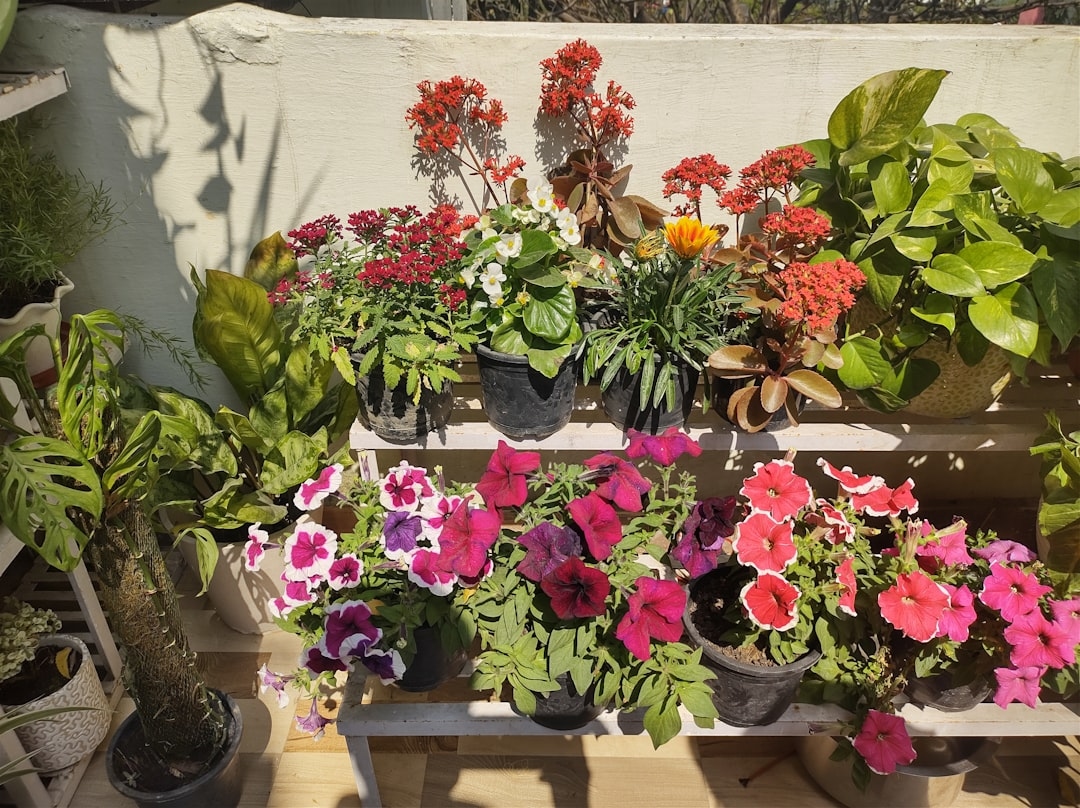
Petunias are the undisputed workhorse of sunny hanging baskets. Wave and Supertunia varieties are specifically bred to cascade 2–3 feet, filling a basket with dense color from late May through first frost. They thrive in USDA zones 3–11 as annuals and handle heat well as long as they get consistent moisture. Deadheading spent blooms every 1–2 weeks keeps them flowering hard. Expect to pay $3–$6 per plant or $12–$18 for a pre-started 10-inch basket. One caveat: petunias need watering once — sometimes twice — daily in peak summer heat. The payoff is unmatched color density in red, purple, pink, white, and bi-color options.
2. Lantana (Lantana camara)
If you want a flower that laughs at brutal afternoon sun, lantana is it. This plant is drought-tolerant once established, attracts pollinators aggressively, and blooms in multicolored clusters that shift color as they mature — often yellow to orange to red on the same flower head. Trailing varieties like ‘Trailing Lantana’ or ‘Luscious Royale’ work beautifully in hanging baskets. Lantana thrives as a perennial in zones 9–11 and as an annual elsewhere. Individual plants cost $4–$8. Water it deeply once or twice a week once established, and it will outperform nearly every other option in extreme heat above 90°F.
3. Million Bells / Calibrachoa (Calibrachoa hybrids)
Calibrachoa produces hundreds of petunia-like blooms — each about the size of a quarter — continuously from spring through fall with zero deadheading required. These self-cleaning plants trail 12–18 inches and come in virtually every color imaginable. They prefer consistent moisture but are more forgiving than petunias in terms of heat. At $4–$7 per plant, they’re slightly pricier per unit but require less maintenance labor over the season. Superbells and MiniFamous series are the top performers. One important note: calibrachoa is sensitive to iron-deficient soil — use an acidic fertilizer with micronutrients every 10–14 days to keep foliage green and blooms coming.
4. Verbena (Verbena × hybrida)
Verbena offers a unique combination: heat tolerance, drought resistance, and dense clusters of tiny blooms in jewel-toned colors. Trailing varieties like ‘Superbena’ cascade 18–24 inches, making them ideal for baskets. They bloom prolifically from late spring through fall and attract butterflies reliably. Verbena does best in zones 9–11 as a perennial but performs excellently as an annual in cooler zones. Expect to pay $3–$6 per plant. One limitation: verbena is susceptible to powdery mildew in humid climates. Space plants properly and avoid overhead watering to minimize that risk. For hot, dry climates, verbena is arguably the best value plant on this list.
5. Portulaca / Moss Rose (Portulaca grandiflora)
Portulaca thrives where other flowers wilt and die. It’s specifically adapted to poor, sandy soils and intense heat — the kind of conditions that exist on exposed south-facing porches with reflective surfaces. Blooms open in full sun and close at night or on cloudy days, which is the one quirk to know upfront. Flowers come in hot pinks, oranges, reds, and yellows. Plants stay compact at 6–8 inches tall with a spreading habit. At just $1.50–$3 per plant, portulaca is the most budget-friendly option on this list by a wide margin. It also requires minimal fertilizing — once a month is sufficient.
6. Scaevola (Scaevola aemula)
Scaevola, also called fan flower, is an underrated gem for full sun baskets. Its fan-shaped blooms in lavender, blue, pink, or white appear from late spring through fall with no deadheading needed. It handles heat, humidity, and coastal conditions better than most plants here. Trailing varieties reach 18–24 inches. It performs best in zones 9–11 as a perennial and zones 3–8 as an annual. Plants cost $4–$8 each. Scaevola pairs beautifully with yellow or orange calibrachoa for high-contrast combinations. Water needs are moderate — every 2–3 days in peak heat — making it significantly less demanding than petunias.
7. Geraniums (Pelargonium × hortorum)
Ivy geraniums are the go-to for traditional hanging basket looks with a track record dating back over a century. They cascade naturally, produce bold flower heads in red, pink, salmon, and white, and tolerate full sun well in most US climates. They’re particularly well-suited to drier conditions and do poorly if overwatered — a mistake many beginners make. Ivy geraniums thrive in zones 9–12 as perennials and zones 4–8 as annuals. A quality plant runs $4–$10, and a pre-made 10–12 inch hanging basket typically costs $20–$35. For those who want low-water, classic-looking baskets, ivy geraniums remain a reliable choice.
8. Bacopa (Sutera cordata)
Bacopa produces a cascade of tiny star-shaped white or pink flowers on delicate trailing stems — a softer counterpoint to bolder companions. It performs best as a filler and spiller in mixed baskets rather than a solo act. Heat tolerance is moderate: bacopa can struggle above 90°F but recovers quickly when temperatures drop. It works best in zones 9–11 as a perennial. At $2–$5 per plant, it’s an affordable filler that adds texture and softness. Use it in mixed plantings alongside bolder stars like lantana or petunias for visual contrast. Keep consistent moisture and it’ll bloom steadily from May through October.
9. Osteospermum / African Daisy (Osteospermum hybrids)
Osteospermum brings daisy-like flowers in unusual two-toned patterns — often spoon-shaped petals in lavender, orange, yellow, or white with contrasting centers. They bloom heavily in spring and fall and tolerate full sun. In peak summer heat above 85–90°F, they may slow down temporarily but resume blooming as temperatures moderate. They work in zones 10–11 as perennials and everywhere else as annuals. Plants cost $4–$7 each. For gardeners in USDA zones 6–8 who experience milder summers, African daisies can be among the longest-blooming options available. They’re especially striking when paired with purple or blue companions in a mixed basket.
10. Dipladenia / Mandevilla (Mandevilla sanderi)
Dipladenia is a bold choice — trumpet-shaped flowers in deep red, hot pink, or white on a compact trailing plant that loves heat. It’s less common in hanging baskets than the others on this list, which is exactly why it gets attention. Unlike full vining mandevilla, dipladenia stays compact and manageable at 12–18 inches. It thrives in full sun, performs best in zones 9–11, and tolerates drought once established. Plants run $8–$15 each, making this the priciest single-plant option here. The upside: it looks genuinely exotic, requires minimal deadheading, and is virtually pest-resistant. A single plant in a 12-inch basket creates a statement display.
Quick Comparison: Best Hanging Basket Flowers for Full Sun
| Flower | Heat Tolerance | Drought Resistance | Deadheading Needed | Avg. Plant Cost |
|---|---|---|---|---|
| Petunia | High | Low | Yes | $3–$6 |
| Lantana | Very High | Very High | No | $4–$8 |
| Calibrachoa | High | Moderate | No | $4–$7 |
| Verbena | High | High | Occasional | $3–$6 |
| Portulaca | Very High | Very High | No | $1.50–$3 |
| Scaevola | High | Moderate | No | $4–$8 |
| Ivy Geranium | Moderate–High | Moderate | Occasional | $4–$10 |
| Bacopa | Moderate | Low | No | $2–$5 |
| Osteospermum | Moderate | Moderate | Occasional | $4–$7 |
| Dipladenia | Very High | High | No | $8–$15 |
Seasonal Planting Timeline for Full Sun Hanging Baskets
Timing matters more than most gardeners realize. Plant too early and a cold snap wipes out your investment. Plant too late and you’ve lost weeks of peak bloom time.
- February–March: Start seeds indoors (portulaca, verbena). Purchase calibrachoa and petunia plug plants from early-season nurseries.
- April (zones 8–11): Hang baskets outdoors after last frost. Lantana, dipladenia, and scaevola can go out now in warm climates.
- Mid-May (zones 5–7): Safe planting window for most annuals after last frost. This is peak garden center season — selection is highest, prices are competitive.
- June: Begin aggressive fertilizing every 7–14 days. Water needs peak as temperatures climb. Add water-retaining gel crystals to potting mix if not already included.
- July–August: Monitor daily. Drought-tolerant varieties (lantana, portulaca, verbena) will shine. Deadhead petunias and geraniums every 10–14 days.
- September–October: Osteospermum and calibrachoa get a second wind as temperatures drop below 80°F. Begin planning cuttings for overwintering geraniums or dipladenia indoors.
- November–frost: Bring tender perennials (dipladenia, lantana in zones 6–8) indoors before first frost. Take 4-inch stem cuttings to propagate for next year — a genuine money-saver.
Budget Breakdown: What a Full Sun Hanging Basket Actually Costs
Here’s an honest look at what you’ll spend for a single 12-inch hanging basket, built from scratch versus purchased pre-made.
- DIY basket (budget build): Wire basket $4 + coco liner $3 + 1.5 qt potting mix $4 + 3 portulaca plants at $2.50 each = ~$19 total
- DIY basket (mid-range): Plastic basket with saucer $6 + premium potting mix with fertilizer $7 + 3 calibrachoa at $5.50 each = ~$30 total
- Pre-made basket (nursery): A pre-planted 10–12 inch basket typically runs $18–$40 depending on plant selection and region. Big-box stores tend to run $18–$25; independent garden centers average $25–$40 with more premium varieties.
- Fertilizer ongoing cost: A water-soluble bloom fertilizer (like Jack’s Blossom Booster) costs about $12–$18 for a season’s supply for 4–6 baskets.
Bottom line: building your own baskets costs 20–40% less than buying pre-made, and you get to choose the exact varieties. The savings compound when you take cuttings or divide plants at season’s end.
Common Mistakes to Avoid with Full Sun Hanging Baskets
These errors cause more basket failures than anything else — and nearly all of them are preventable.
- Using regular garden soil: It compacts in containers, suffocates roots, and drains poorly. Always use a high-quality potting mix specifically formulated for containers.
- Skipping fertilizer: A basket gets watered constantly, which flushes nutrients from the soil fast. Without feeding every 1–2 weeks with a balanced bloom fertilizer, plants will yellow and stop blooming by July.
- Underwatering in heat: A 12-inch basket in 90°F full sun can dry out completely in under 24 hours. Check moisture daily by pressing your finger 1 inch into the soil — water when it feels dry at that depth.
- Overcrowding plants: Three plants in a 10-inch basket is the maximum for most annuals. More than that, and they’ll compete for water and nutrients, giving you a weaker display overall.
- Choosing shade varieties: Impatiens, begonias (most varieties), and fuchsia are commonly sold at garden centers alongside sun plants but will burn and fail in 6+ hours of direct sun. Read labels before buying.
- Hanging too high: Baskets hung above eye level are harder to water properly and easier to forget. Hang them at arm’s reach — roughly 5–6 feet off the ground — for easier care and better visual impact.
How to Choose the Right Flower for Your Full Sun Hanging Basket
The right choice depends on four practical factors. Answer these and the selection gets easy.
How Much Time Do You Have for Maintenance?
Low-maintenance gardeners should lean toward calibrachoa, lantana, scaevola, or portulaca — all self-cleaning plants that require no deadheading. If you enjoy weekly garden time and want maximum flower density, petunias and ivy geraniums reward the extra attention with a fuller display.
What Are Your Watering Conditions?
If your baskets get afternoon shade or you’re committed to daily watering, petunias and calibrachoa will thrive. For locations where consistent watering is difficult — vacation home, forgetful household, exposed west-facing wall — lantana, portulaca, verbena, and dipladenia are your best bets. They can go 3–5 days between waterings once established without significant damage.
What’s Your Budget?
For under $20 per basket, build with portulaca and bacopa. For $25–$35, calibrachoa and verbena mixed baskets deliver excellent ROI on bloom density per dollar. Over $40, a dipladenia or a premium pre-made mixed basket makes sense for high-visibility spots where the visual impact justifies the spend.
What’s Your Climate Like?
Gardeners in the Deep South, Southwest, or other climates with sustained summer heat above 90°F should prioritize lantana, portulaca, verbena, and dipladenia. Those in the Pacific Northwest or Upper Midwest with milder summers can successfully grow petunias, osteospermum, and bacopa with excellent results through a longer season.
Frequently Asked Questions
What is the best flower for a hanging basket in full sun?
Lantana and calibrachoa are the top all-around performers for full sun hanging baskets in most US climates. Lantana handles extreme heat and drought better than almost any other annual, while calibrachoa provides continuous bloom with no deadheading required from late spring through frost.
What flowers can survive full sun and heat in a hanging basket?
Portulaca, lantana, verbena, and dipladenia are the most heat-resilient choices. All four tolerate temperatures above 90°F without wilting or stopping bloom production, and all have moderate to high drought resistance once established.
How often should you water hanging baskets in full sun?
Most full sun hanging baskets need watering once daily in temperatures above 80°F, and sometimes twice daily during heat waves above 90°F. The best test: stick your finger 1 inch into the soil — if it’s dry, water thoroughly until it drains from the bottom. Lightweight baskets dry out fastest.
Can petunias handle full sun all day?
Yes. Petunias are bred for full sun and perform best with 6–8 hours of direct light daily. Their main limitation isn’t sun exposure — it’s water. In peak summer heat, they need daily watering and occasional deadheading to maintain continuous bloom through the season.
What’s the longest-blooming flower for a full sun hanging basket?
Calibrachoa and lantana both bloom from late May through first frost — approximately 5–6 months — with minimal deadheading. Calibrachoa is self-cleaning and maintains bloom density throughout the season, making it the top pick for longest-blooming performance in a full sun basket.
Build Your Best Basket This Season
The best hanging basket flowers for full sun aren’t necessarily the most expensive or the prettiest at the garden center. They’re the ones that suit your watering habits, your climate, and your budget — and keep performing through July and August when lesser plants give up. Start with one or two proven performers like lantana or calibrachoa this season, track what works in your specific conditions, and expand from there. Take cuttings in fall, overwinter your favorites, and by year two you’re propagating plants for nearly nothing. That’s where the real savings — and the real satisfaction — come from.