Contents:
- What Is Johnny’s Selected Seeds?
- Johnny’s Selected Seeds Flowers: What’s Actually in the Catalog?
- Standout Cut Flower Categories
- Specialty and Filler Flowers Worth Noting
- Seed Quality and Germination Rates
- Pricing: Is Johnny’s Worth the Cost?
- Comparing Value to Competitors
- Regional Considerations for US Growers
- Common Mistakes to Avoid When Ordering from Johnny’s
- Practical Tips for Getting the Most from Johnny’s Seed
- What Growers Actually Say
- Frequently Asked Questions About Johnny’s Selected Seeds Flowers
- Is Johnny’s Selected Seeds good for beginner cut flower growers?
- How does Johnny’s compare to Floret Farm seeds for cut flowers?
- Does Johnny’s sell organic flower seeds?
- When should I place my Johnny’s order for spring flowers?
- Are Johnny’s flower seeds suitable for Zone 9 and 10 growers?
- Should You Buy from Johnny’s Selected Seeds?
Here’s something most gardeners don’t realize: the average cut flower variety bred specifically for stem length produces blooms on stems 30–40% longer than standard garden varieties — and that difference alone can determine whether your arrangements look homegrown or florist-quality. That’s exactly why Johnny’s Selected Seeds flowers have earned such a devoted following among serious hobby growers. But devoted following doesn’t automatically mean it’s the right fit for your garden, budget, or growing region. This review breaks it all down honestly.
What Is Johnny’s Selected Seeds?
Founded in 1973 by Rob Johnston Jr. in Maine, Johnny’s Selected Seeds started as a small mail-order operation focused on vegetables for northern climates. Over the decades, it evolved into one of the most respected seed companies in North America — particularly among market gardeners and florists who need reliable, high-performing varieties.
Today, Johnny’s operates out of Winslow, Maine, and maintains its own research farm where varieties are trialed before they ever hit the catalog. That’s not marketing fluff — it’s a meaningful differentiator. Many seed companies simply resell wholesale seed stock. Johnny’s actually grows out varieties, evaluates them for germination rate, vigor, stem quality, and vase life, and only lists what passes their bar. For cut flower growers, this matters enormously.
The company is employee-owned, which tends to produce a certain culture of accountability and long-term thinking. Their customer service has a strong reputation, and their catalog — both print and online — is genuinely educational rather than just promotional.
Johnny’s Selected Seeds Flowers: What’s Actually in the Catalog?
The cut flower section of Johnny’s catalog is substantial. At last count, they carry over 200 individual flower varieties optimized specifically for cutting, including both annuals and perennials. You’ll find the workhorses — zinnias, sunflowers, lisianthus, celosias, and dahlias — alongside more specialty options like scabiosa, nigella, and bupleurum that florists pay premium prices for at the wholesale market.
Standout Cut Flower Categories
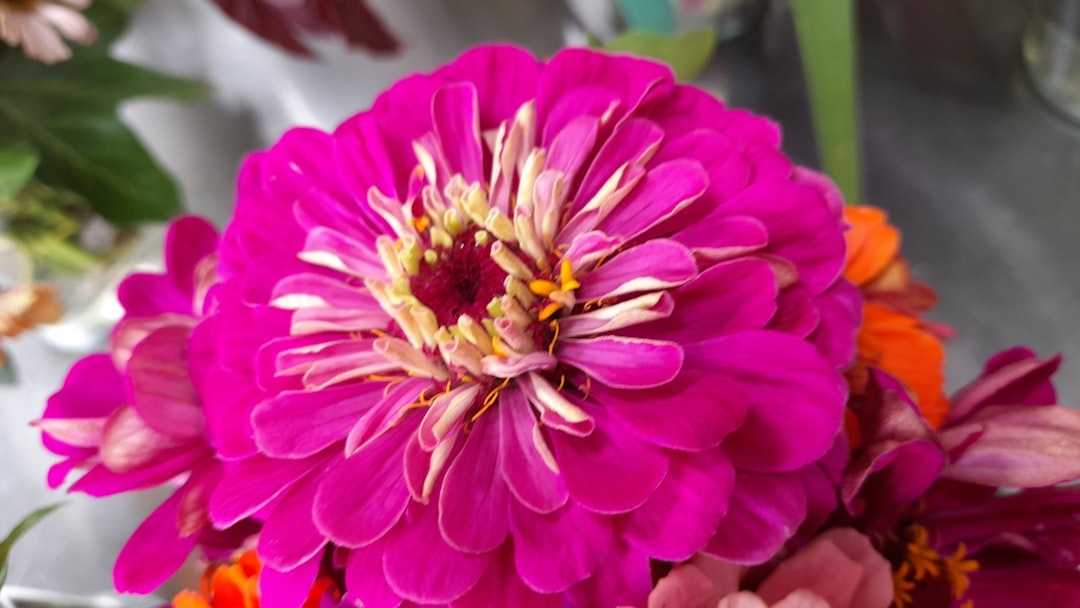
- Zinnias: Johnny’s ‘Benary’s Giant’ series remains an industry benchmark. Stems consistently reach 18–24 inches, and the color range is exceptional. The ‘Queeny Lime’ and ‘Uproar Rose’ selections in particular have become staples for farmers market bouquets.
- Sunflowers: The ‘ProCut’ series was developed in collaboration with university extension programs and produces single-stem, pollen-free flowers — critical if you’re selling to florists who hate pollen drop on tablecloths. Stems run 24–36 inches in good conditions.
- Lisianthus: One of the trickiest cuts to grow from seed. Johnny’s carries several varieties in the ‘Voyage’ and ‘Echo’ series, along with detailed growing notes. Germination is notoriously slow (21–28 days) and requires consistent bottom heat around 75–80°F, but the payoff — blooms that resemble roses and last 2–3 weeks in a vase — is real.
- Celosia: Both plumed and crested types. The ‘Sylphid’ series for plumed and ‘Chief’ for crested are well-regarded for their deep, rich colors that hold through drying.
- Dahlias: Johnny’s sells dahlia tubers as well as seed-grown varieties. Their tuber selection includes dinner plate types like ‘Café au Lait’ (though availability varies year to year) and ball dahlias optimized for stem length.
Specialty and Filler Flowers Worth Noting
Fillers make or break a bouquet, and Johnny’s understands this. Their selection of ammi, bupleurum, orlaya, and scabiosa gives growers access to the same airy, texture-building stems that professional florists source at significant cost. Ammi ‘Graceland’, for example, produces delicate white umbels on 24-inch stems and works as a direct substitute for expensive imported Queen Anne’s lace. A single packet of 500 seeds costs around $5.95 — enough to fill a serious cutting patch.
Seed Quality and Germination Rates
This is where Johnny’s genuinely earns its premium. Independent grower reports — and the experience of many hobby growers — consistently point to germination rates that meet or exceed the percentages listed on the packet. Zinnias typically come in at 85–95% germination. Sunflowers hit near 90%. Even tricky varieties like lisianthus, which many seed companies sell with mediocre pellet seed, perform reliably when Johnny’s growing protocols are followed.
Seed lot dates are printed on every packet, so you know exactly how fresh your seed is. This is not universal in the industry — some big-box garden center packets don’t carry lot dates at all, making it impossible to know if you’re planting two-year-old stock.
Pelleted seed options are available for small-seeded varieties like lisianthus and snapdragons, making precision sowing significantly easier. Each pellet is individually visible and handleable, reducing seed waste and thinning labor.
Pricing: Is Johnny’s Worth the Cost?
Johnny’s is not the cheapest option. A packet of zinnia seed from a big-box store might run $1.99 for 50 seeds. Johnny’s ‘Benary’s Giant’ mix runs approximately $4.50 for 100 seeds — more per seed, but the germination reliability and documented stem performance tend to justify the premium for serious growers.
For larger quantities, Johnny’s sells in trade packets and bulk weights. A 1/4 oz of ‘ProCut Orange’ sunflower — roughly 200–250 seeds depending on lot — runs about $8.95. If you’re succession-planting a cutting patch through the season, buying in bulk makes the cost-per-stem quite reasonable.
Dahlia tubers are priced individually and run $6–$18 per tuber depending on variety, which is competitive with specialty dahlia farms. Their tuber quality tends to be solid, though availability of sought-after varieties can sell out quickly — ordering by January for spring delivery is strongly advised.
Comparing Value to Competitors
Against direct competitors like Baker Creek, Territorial Seed, and Floret Farm’s seed shop, Johnny’s holds its own in variety selection and surpasses most in research documentation. Baker Creek excels in heirloom variety depth; Floret has a curated, design-forward aesthetic. Johnny’s sits in a middle ground that favors performance data over nostalgia or branding — which makes it particularly well-suited to growers who want to know why a variety is recommended, not just that it looks pretty in a photo.
Regional Considerations for US Growers
Johnny’s roots are firmly in the Northeast, and it shows in how they approach season extension and cold-hardy varieties. Their catalog is particularly strong for growers in USDA Hardiness Zones 4–6 who need to maximize a short growing window. If you’re in Vermont or upstate New York, their recommended succession planting schedules and frost-date guidance are directly applicable and well-calibrated.
Growers in the South (Zones 7–9) should pay attention to heat tolerance notes. Some of their zinnia and snapdragon recommendations assume cooler summers than Atlanta or Houston actually deliver. Southern growers often find better midsummer performance from heat-specific selections, and it’s worth cross-referencing Johnny’s listings with LSU AgCenter or other regional extension resources for summer crops.
On the West Coast — particularly the mild, fog-influenced climates of coastal California and the Pacific Northwest — Johnny’s catalog works well but may underrepresent varieties suited to the nearly year-round growing window those climates allow. Growers in Zones 9b–10 often find themselves extending the celosia and dahlia seasons well beyond what Johnny’s planting guides suggest is possible.
Common Mistakes to Avoid When Ordering from Johnny’s
- Ordering too late: Popular varieties — especially dahlia tubers, lisianthus seed, and limited sunflower selections — sell out between January and March. If you’re planning a spring cutting garden, get your order in by February at the latest.
- Ignoring the days-to-bloom data: Johnny’s lists days to bloom from transplant (not from direct sow) for most varieties. Miscalculating this is how you end up with zinnias peaking in September instead of July.
- Underordering filler seed: Growers consistently report wishing they’d bought more ammi, bupleurum, and nigella. These go fast in the garden and in bouquets. Double your first-year estimate.
- Skipping pelleted seed for lisianthus: The non-pelleted lisianthus seed is dust-fine and nearly impossible to sow accurately without pelleting. Pay the small premium for pelleted — it saves hours of thinning and dramatically improves stand uniformity.
- Planting lisianthus too late: In most of the US, lisianthus needs to be started indoors 16–20 weeks before your last frost date. Many first-time growers start them when they’d start tomatoes — far too late for blooms in the first season.
Practical Tips for Getting the Most from Johnny’s Seed
Johnny’s provides planting guides on their website that are genuinely useful — not boilerplate. Before your seeds arrive, download the cultural guides for any variety you haven’t grown before, especially for specialty cuts like lisianthus, anemone, or ranunculus. These guides include specific soil temperature requirements, spacing recommendations, and harvest timing cues that aren’t always printed on the packet.
For succession planting zinnias — which is the single highest-impact strategy for extending your cutting season — Johnny’s recommends sowing every 14–21 days from your last frost date through midsummer. In Zone 6, that typically means four to five successions running from mid-May through early July, giving you continuous bloom from July through hard frost.
If you’re growing for a farmers market or CSA flower share, consider building your order around Johnny’s “cut flower collection” assortments, which are curated for season-long variety and color balance. These aren’t the cheapest way to buy seed, but they remove a lot of the guesswork for first- and second-year cut flower growers.
Store unused seed in a cool, dry location — ideally a sealed container in the refrigerator. Johnny’s seed tends to maintain viability well into a second year when stored properly, which makes larger packets a reasonable investment even for small gardens.
What Growers Actually Say
Across gardening forums, YouTube channels, and market farming communities, Johnny’s earns consistent praise for germination reliability and variety performance. Common complaints are narrower: the website can be slow during peak ordering season (January–March), some specialty items like ‘Café au Lait’ dahlias sell out almost immediately after restocking, and international shipping options are limited for non-US customers.
Among hobby growers specifically, the learning curve around lisianthus remains a frequent topic — not because Johnny’s seed underperforms, but because the variety demands more precise greenhouse conditions than most beginners anticipate. The seeds themselves are fine. The crop just requires a controlled environment that a basic cold frame won’t provide.
Frequently Asked Questions About Johnny’s Selected Seeds Flowers
Is Johnny’s Selected Seeds good for beginner cut flower growers?
Yes, with some caveats. For straightforward annuals like zinnias, sunflowers, and celosias, Johnny’s is an excellent choice — reliable germination, clear growing instructions, and proven performance. More advanced offerings like lisianthus and ranunculus require experience with temperature-controlled germination and are better tackled after a season or two of basics.
How does Johnny’s compare to Floret Farm seeds for cut flowers?
Floret’s seed shop is highly curated and design-focused, with a strong emphasis on color palette and aesthetic. Johnny’s is broader, more data-driven, and includes both specialty and workhorse varieties. Many growers use both: Floret for unique, on-trend varieties and Johnny’s for reliable, high-volume production crops like zinnias and sunflowers.
Does Johnny’s sell organic flower seeds?
Yes. Johnny’s carries a certified organic line that includes several popular cut flower varieties. The selection is smaller than their conventional lineup, but it covers key crops including zinnias, sunflowers, and certain filler flowers. Organic options are clearly labeled throughout the catalog.
When should I place my Johnny’s order for spring flowers?
Order by early February for the widest selection. Dahlia tubers and lisianthus seed are the first to sell out, often by late January in high-demand years. Most annuals remain available into March, but waiting risks backorders on popular varieties.
Are Johnny’s flower seeds suitable for Zone 9 and 10 growers?
Many varieties work well in warmer zones, but planting timelines need adjustment. In Zone 9–10, cool-season flowers like snapdragons, ranunculus, and anemones are fall and winter crops rather than spring crops. Johnny’s planting guides are written primarily for northern climates, so cross-referencing with your local cooperative extension office for timing adjustments is worthwhile.
Should You Buy from Johnny’s Selected Seeds?
For hobby growers who want to move beyond random seed rack purchases and build a real cutting garden — one that produces florist-quality stems through multiple successions — Johnny’s Selected Seeds is one of the strongest choices available in the US market. The variety selection is deep, the germination data is trustworthy, and the cultural information they provide actually helps you succeed rather than just selling you a packet and wishing you luck.
The premium price is real, but it reflects genuine quality. A failed germination tray costs you time, heat mat electricity, seed starting mix, and six weeks of the growing season. Spending an extra $3 per packet on seed you can trust is a straightforward value calculation for anyone serious about their cutting garden.
Start with their zinnia and sunflower selections in your first season — low-risk, high-reward crops that will give you a clear picture of what Johnny’s delivers. From there, branch into specialty cuts as your confidence and infrastructure grow. Their catalog rewards growers who engage with it as a reference tool, not just a shopping list.