Contents:
- Why a Mini Greenhouse Makes a Real Difference for Flower Seeds
- The Best Mini Greenhouses for Starting Flower Seeds
- Palram Nature Series Harmony Lean-To Mini Greenhouse
- Quictent 56-Inch 4-Tier Mini Greenhouse with Shelves
- Jiffy 36mm Windowsill Greenhouse (Propagator Kit)
- VIVOSUN 2-in-1 Mini Greenhouse with Grow Tent
- Gardman 4-Tier Mini Greenhouse with Cover
- Bootstrap Farmer Extra Strength Humidity Dome (7″ Tall)
- Ohuhu Walk-In Greenhouse (4-Tier, 56″)
- Mini Greenhouse Comparison Table
- A Seasonal Seed-Starting Calendar: When to Use Your Mini Greenhouse
- How to Choose the Best Mini Greenhouse for Your Flower Seeds
- Match the Structure to Your Space
- Prioritize Temperature Control Over Size
- Consider Your Light Source
- Ventilation Matters More Than You Think
- Budget Realistically—Including Accessories
- The Best Mini Greenhouse for Flower Seeds: Our Top Picks by Category
- What to Expect in Your First Season
- Frequently Asked Questions
- What is the best mini greenhouse for starting flower seeds indoors?
- What temperature should a mini greenhouse be for germinating flower seeds?
- Do mini greenhouses prevent damping off in seedlings?
- Can I use a mini greenhouse outside in winter?
- How many seed trays fit in a standard 4-tier mini greenhouse?
The smell of damp seed-starting mix on a cold February morning is oddly intoxicating. You’ve got trays of zinnia, snapdragon, and larkspur lined up on the windowsill, a grow light humming overhead, and that familiar mix of impatience and hope sitting in your chest. But every seasoned flower gardener eventually hits the same wall: inconsistent germination, leggy seedlings, and the creeping realization that a sunny windowsill just isn’t cutting it anymore. That’s exactly where the best mini greenhouse for flower seeds changes everything.
A compact seed-starting greenhouse—whether it’s a sleek 4-tier shelving unit draped in a zippered cover or a purpose-built humidity dome—creates a microclimate that mimics the conditions seeds actually need: stable warmth, retained moisture, and protection from drafts. For hobbyist gardeners ready to move beyond the basics, this is the upgrade that separates a 40% germination tray from a 95% one.
This guide breaks down the top options on the market right now, comparing features, value, and real-world performance so you can make a confident purchase before seed-starting season kicks into full gear.
Why a Mini Greenhouse Makes a Real Difference for Flower Seeds
Take Sarah M., a hobby gardener in Zone 6b Ohio, who spent three consecutive springs wondering why her sweet peas never germinated reliably. She had good seeds, decent soil, and a south-facing window. What she didn’t have was consistent soil temperature. Her windowsill hovered between 58°F at night and 74°F during the day—a swing that’s brutal for germination. She picked up a small 4-tier mini greenhouse with a seedling heat mat and, the following February, hit 91% germination on the same sweet pea variety. One variable. Massive difference.
Most flower seeds germinate best when soil temperature sits between 65°F and 75°F. Mini greenhouses trap heat and humidity, keeping that range steady without you babysitting a thermostat. They also block the cold drafts that sneak under doors and across floors—a silent germination killer most gardeners overlook.
The Best Mini Greenhouses for Starting Flower Seeds
1. Palram Nature Series Harmony Lean-To Mini Greenhouse
This is the Cadillac of compact outdoor structures. The Palram Harmony is a rigid polycarbonate lean-to that attaches to an exterior wall, offering 6.5 square feet of growing space in a footprint that won’t swallow your patio. The twin-wall polycarbonate panels diffuse light evenly and provide genuine insulation—unlike flimsy plastic sheeting. A roof vent allows airflow control, which matters enormously when you’re hardening off delicate cosmos or ranunculus seedlings in March. Priced around $200–$230, it’s the priciest pick on this list, but it’s also the only one that functions year-round in Zones 5–8 without supplemental heating. The powder-coated aluminum frame resists rust, and assembly takes about two hours with basic tools. Best for gardeners who want a permanent, weather-resistant structure that doubles as a cold frame in fall.
2. Quictent 56-Inch 4-Tier Mini Greenhouse with Shelves
The Quictent 4-tier is one of the most popular budget-friendly options for indoor seed starting, and for good reason. At roughly $45–$60, it offers four shelves with individual roll-up zippered covers, meaning you can open one tier while keeping others sealed—a small but genuinely useful feature when you’re misting one batch of seeds without exposing another. Each shelf measures approximately 27″ x 19″, fitting standard 1020 trays perfectly. The steel frame is stable enough for indoor use, though it benefits from being placed against a wall. Pair it with a seedling heat mat on the lowest shelf and a clip-on grow light, and you have a functional seed-starting station for well under $120 total. Not windproof outdoors, but indoors it performs reliably from January through May.
3. Jiffy 36mm Windowsill Greenhouse (Propagator Kit)
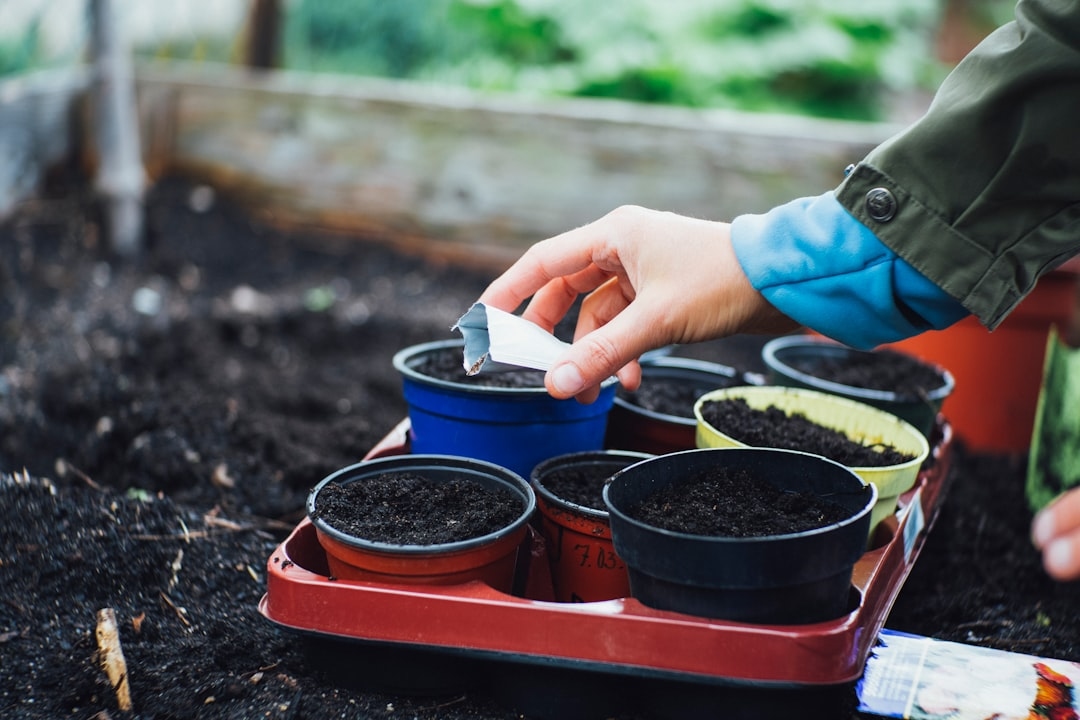
Not every gardener has room for a floor-standing unit. The Jiffy Windowsill Greenhouse is a compact propagator tray—roughly 15″ x 10″—with a vented humidity dome designed to sit on a countertop or windowsill. It comes with 36 pre-filled peat pellets, making it nearly plug-and-play. Priced around $18–$25, it’s the entry point for anyone testing the waters. The adjustable vent on the lid lets you gradually reduce humidity as seedlings emerge—critical for preventing damping off in tender flower seedlings like lisianthus and lobelia. It won’t accommodate 72-cell trays, but for starting 36 premium seeds (think heritage dahlias or rare anemones you paid $4 per seed for), the controlled environment justifies the investment. Replace the peat pellets with your preferred seed-starting mix if you prefer more control over nutrition.
4. VIVOSUN 2-in-1 Mini Greenhouse with Grow Tent
VIVOSUN built its reputation in the indoor growing space, and their compact 2×2 grow tent functions brilliantly as a dedicated flower seed-starting chamber. The 24″x24″x48″ size is genuinely versatile—tall enough to accommodate young dahlia or sunflower seedlings before transplant without cramping them. The interior is lined with 96% reflective Mylar, which dramatically increases light efficiency when you hang a grow light inside. The canvas exterior is 600D polyester, far more durable than the nylon covers on standard mini greenhouse racks. At $65–$85, it costs more than a basic shelving greenhouse but less than a rigid structure. Setup takes about 20 minutes. The main trade-off: you’re working inside a tent, which some gardeners find claustrophobic when misting or transplanting. Best for serious hobbyists who also run grow lights and want maximum environmental control.
5. Gardman 4-Tier Mini Greenhouse with Cover
The Gardman is a step up from the Quictent in build quality without the price jump to rigid structures. Its tubular steel frame feels noticeably more solid, and the polyethylene cover is UV-stabilized to resist degradation from grow lights and sunlight. At around $55–$70, it’s a mid-range pick with four shelves sized at 27″x18″ each. The single full-length zipper cover is less convenient than Quictent’s per-shelf zippers, but the cover fabric is heavier gauge, which traps heat more effectively—a real advantage if you’re starting seeds in an unheated garage in February (Zones 6 and above, with a heat mat). One underrated feature: the included rope ties, which let you secure the cover at varying heights for passive ventilation without removing it entirely. Reliable, unfussy, and durable enough to last several seasons with basic care.
6. Bootstrap Farmer Extra Strength Humidity Dome (7″ Tall)
If you already own quality 1020 trays and just need better germination conditions, the Bootstrap Farmer 7-inch dome is the most targeted solution on this list. At around $8–$12 per dome, it’s priced as a consumable but built to last years. The 7-inch height accommodates larger seedlings than the standard 2-inch domes that come with cheap propagator kits—crucial for ranunculus, sweet peas, and stock, which put on height quickly. Made from durable, BPA-free plastic with adjustable vents, it’s dishwasher safe for sanitation between seasons. Pair with a Bootstrap Farmer 1020 heavy-duty tray and a seedling heat mat and you have a professional-grade germination setup for under $35 per station. Serious flower farmers use these at scale; hobbyists benefit from the same quality without the volume pricing.
7. Ohuhu Walk-In Greenhouse (4-Tier, 56″)
For gardeners who want outdoor capacity without committing to a permanent structure, the Ohuhu walk-in is a compelling option. At roughly $70–$90, it provides 56 square feet of shelf space across four tiers and a zippered entrance tall enough to walk into upright—a comfort feature you won’t appreciate until you’ve crouched inside a 48-inch unit for ten minutes transplanting lobelia. The cover is UV-resistant PE, and the frame uses reinforced steel connectors. It’s not rated for snow load or high winds, so treat it as a three-season structure. For Zones 7–10 gardeners who want to start seeds outdoors in late winter without frost risk, or who need to harden off large batches of seedlings efficiently, it offers exceptional value per square foot. Stake the legs into the ground or use sandbag weights—don’t skip this step.
Mini Greenhouse Comparison Table
| Product | Price (USD) | Best For | Indoor/Outdoor | Shelf Space | Durability |
|---|---|---|---|---|---|
| Palram Harmony Lean-To | $200–$230 | Year-round outdoor use | Outdoor | 6.5 sq ft | ★★★★★ |
| Quictent 4-Tier | $45–$60 | Budget indoor setup | Indoor | ~14 sq ft | ★★★☆☆ |
| Jiffy Windowsill Propagator | $18–$25 | Small-batch beginners | Indoor | 1.0 sq ft | ★★★☆☆ |
| VIVOSUN Grow Tent 2×2 | $65–$85 | Grow light integration | Indoor | 4 sq ft | ★★★★☆ |
| Gardman 4-Tier | $55–$70 | Indoor/garage use | Indoor/Sheltered | ~13.5 sq ft | ★★★★☆ |
| Bootstrap Farmer Dome 7″ | $8–$12 | Germination upgrade | Indoor | Per tray | ★★★★★ |
| Ohuhu Walk-In 4-Tier | $70–$90 | Outdoor hardening off | Outdoor (3-season) | ~56 sq ft | ★★★☆☆ |
A Seasonal Seed-Starting Calendar: When to Use Your Mini Greenhouse
Timing is everything with flower seeds, and your mini greenhouse should be part of a deliberate schedule—not a last-minute fix. Here’s a practical calendar framework for gardeners in Zones 5–7 (adjust 2–4 weeks earlier for Zones 8–10):
- January: Start slow-growing flowers that need 12–16 weeks indoors—lisianthus, begonias, and snapdragons. Use your mini greenhouse with a heat mat set to 70–75°F. These are the flowers that reward early starters.
- February: Sow pansies, stocks, and larkspur. These cool-tolerant flowers actually prefer soil temps of 60–65°F and can handle more ambient cold. Your mini greenhouse keeps humidity high without overheating them.
- March: Start dahlias, zinnias, and marigolds. These warm-season flowers germinate fast (5–10 days at 70°F) and grow quickly. Use your greenhouse for germination, then move seedlings to a brighter spot to prevent legginess.
- April: Transition to hardening off. Move trays to your outdoor Ohuhu or Palram structure, opening vents during the day and closing them at night. Two weeks of this prepares seedlings for the real world.
- May: Last frost passes in most Zone 5–6 areas. Your mini greenhouse now becomes a hardening station and a backup shelter on unexpected cold nights—a role it plays beautifully with minimal effort.
How to Choose the Best Mini Greenhouse for Your Flower Seeds
Match the Structure to Your Space
The most common buying mistake is choosing capacity over fit. A walk-in greenhouse sounds appealing until it’s blocking your back door. Measure your available space—both floor footprint and ceiling height if you’re working indoors—before you look at specs. For apartments or small homes, a 4-tier shelving unit or a propagator tray is genuinely sufficient for starting 200–400 seeds per season, which is more than most hobbyist gardeners need.
Prioritize Temperature Control Over Size
A bigger greenhouse with no heat mat will underperform a small propagator with one. Soil temperature is the single most influential variable in flower seed germination. A basic seedling heat mat (rated for 10″x20″ trays) costs $25–$35 and raises soil temperature 10–20°F above ambient. Pair it with any of the enclosures on this list, and you’ve solved the most common germination problem—cold soil—for under $50.
Consider Your Light Source
“The structure is secondary to the light,” says Dr. Meredith Calloway, certified horticulturist and floral design educator at the Denver Botanic Gardens. “I see gardeners invest in beautiful seed-starting setups and then park them three feet from a north-facing window. Flower seedlings need 14–16 hours of bright light daily to develop strong stems. A $40 greenhouse under a quality grow light will always outperform a $200 structure in poor light.” Plan your light situation first, then choose the greenhouse that fits around it.
Ventilation Matters More Than You Think
Enclosed environments breed damping off—a fungal condition that collapses seedlings at soil level. Every enclosure on this list has some form of venting, but how you use it matters. Once germination hits 50–60% in a tray, start cracking the vent or zipper for 2–4 hours daily. By the time seedlings show their first true leaves, the dome or cover should be off entirely. Mini greenhouses are germination tools, not permanent homes.
Budget Realistically—Including Accessories
The greenhouse itself is rarely the only cost. Budget for at minimum: a seedling heat mat ($25–$35), quality seed-starting mix ($15–$20 per bag), and a grow light if your space lacks natural light ($40–$120 depending on wattage). A fully equipped indoor seed-starting station using the Quictent 4-tier can be assembled for around $130–$160 total—a one-time investment that pays back within one or two growing seasons of seeds you no longer kill.
The Best Mini Greenhouse for Flower Seeds: Our Top Picks by Category
- Best Overall: Quictent 4-Tier — best balance of capacity, price, and usability for most hobbyist gardeners
- Best for Serious Growers: VIVOSUN 2×2 Grow Tent — maximum environmental control with grow light compatibility
- Best Budget Pick: Jiffy Windowsill Propagator — no-fuss entry point for small-batch, high-value seeds
- Best Outdoor Option: Palram Harmony Lean-To — rigid, weatherproof, and genuinely year-round capable
- Best Germination Upgrade: Bootstrap Farmer 7″ Dome — professional quality for gardeners who already have good trays
- Best for Hardening Off: Ohuhu Walk-In — the most efficient way to transition large batches of seedlings outdoors
What to Expect in Your First Season
Setting realistic expectations matters. A mini greenhouse won’t fix bad seeds, incorrect sowing depth, or waterlogged soil mix. What it will do is eliminate the environmental variables—temperature swings, low humidity, drafts—that cause otherwise good seeds to fail. Most gardeners who switch to a dedicated seed-starting enclosure report germination rates improving by 20–40 percentage points in their first season. Zinnias that used to hit 60% now routinely reach 90–95%. Tricky flowers like lisianthus, which need precise warmth and humidity, become manageable rather than maddening.
Start with one or two enclosures, track your germination rates by flower variety, and adjust your setup the following year based on real data. Keep a simple notebook—seed variety, sow date, temperature, germination percentage. One season of notes is worth more than a hundred articles.
Frequently Asked Questions
What is the best mini greenhouse for starting flower seeds indoors?
The Quictent 4-Tier Mini Greenhouse offers the best combination of capacity, price ($45–$60), and usability for most indoor seed starters. Paired with a seedling heat mat and grow light, it creates a complete germination environment for under $150 total. For smaller spaces, the Jiffy Windowsill Propagator handles 36 seeds efficiently for around $20.
What temperature should a mini greenhouse be for germinating flower seeds?
Most flower seeds germinate best at soil temperatures between 65°F and 75°F. Cool-season flowers like pansies and larkspur prefer the lower end (60–65°F), while warm-season flowers like zinnias and dahlias thrive at 70–75°F. A seedling heat mat helps maintain these temperatures consistently, which is the single most impactful variable in germination success.
Do mini greenhouses prevent damping off in seedlings?
Mini greenhouses can actually increase damping off risk if airflow is not managed. The enclosed, humid environment that helps germination also creates conditions where fungal pathogens thrive. Prevent damping off by opening vents once 50–60% of seeds have germinated, using a sterile seed-starting mix, and avoiding overwatering. Remove the dome or cover entirely when seedlings show their first true leaves.
Can I use a mini greenhouse outside in winter?
Only rigid-structure mini greenhouses—like the Palram Harmony—are suitable for outdoor winter use in Zones 5–7. Fabric-cover shelving units and humidity domes are indoor tools; they are not insulated against freezing temperatures and will not protect seeds or seedlings from frost without supplemental heating. In Zones 8–10, fabric-cover units can extend the outdoor growing season into early winter with minimal risk.
How many seed trays fit in a standard 4-tier mini greenhouse?
Most 4-tier mini greenhouses with shelves measuring approximately 27″x19″ fit one standard 1020 tray (10″x20″) per shelf, for a total of four trays. A single 1020 tray holds 72 cells in a standard insert, meaning a full 4-tier unit can accommodate up to 288 seedlings simultaneously—enough for a generous cutting garden or a mixed border planting with variety to spare.
By late April, those trays of zinnias and snapdragons you started in January will be stocky, root-bound, and ready to explode into the garden. The mini greenhouse that got them there will be folded up, cleaned, and waiting for next January—when you’ll start the whole glorious cycle again, probably with a seed order that’s 30% bigger than last year’s.