Contents:
- The 8 Best Flower Farming Books Ranked and Reviewed
- The Flower Farmer by Lynn Byczynski
- Floret Farm’s Cut Flower Garden by Erin Benzakein
- Floret Farm’s Discovering Dahlias by Erin Benzakein
- The No-Till Flower Farm by Jennie Love
- Cool Flowers by Lisa Mason Ziegler
- Specialty Cut Flowers by Allan M. Armitage and Judy M. Laushman
- The Organic Flower Farmer by Anne Mendenhall
- Growing for Market (Newsletter/Book Anthology)
- Flower Farming Books vs. General Gardening Books: Know the Difference
- Quick Comparison: Best Flower Farming Books at a Glance
- How to Choose the Right Cut Flower Growing Book for Your Situation
- Match the Book to Your Current Stage
- Consider Your Climate and USDA Zone
- Evaluate Your Business Model
- Don’t Overlook the Free Resources
- Building Your Flower Farming Library on a Budget
- Frequently Asked Questions About Flower Farming Books
- What is the best book for beginner flower farmers?
- Are Floret Farm books worth buying for commercial growers?
- Is there a free flower farming book available?
- What flower farming books cover post-harvest handling in depth?
- How many flower farming books do I actually need?
- Start Reading, Start Growing
The right book can shave years off your learning curve. Flower farming looks romantic from the outside — rows of dahlias, armfuls of ranunculus, farmers markets flush with color — but the gap between a pretty Instagram feed and a profitable quarter-acre operation is enormous. The best flower farming books bridge that gap with hard-won knowledge from growers who’ve already made the expensive mistakes so you don’t have to.
This guide covers the top titles for aspiring and working flower farmers, from comprehensive field guides to niche resources on specific crops. Whether you’re planning a cut flower garden for a CSA share or scaling to wholesale accounts, there’s a book on this list built for your exact situation. Each entry includes what it covers, who it’s best for, and honest notes on value — because your bookshelf budget matters as much as your seed budget.
The 8 Best Flower Farming Books Ranked and Reviewed
1. The Flower Farmer by Lynn Byczynski
This is the book that launched thousands of flower farms. First published in 1997 and updated in 2008, Lynn Byczynski’s guide remains the most comprehensive starting point for anyone entering commercial cut flower production in the US. It covers soil preparation, crop selection, pest management, harvest timing, and post-harvest handling — all in one volume. The chapter on direct marketing, including farmers markets, CSAs, and florists, is worth the $25 price tag alone. Byczynski founded Growing for Market newsletter, and her practical, business-minded voice runs through every chapter. Some cultural recommendations are slightly dated (pre-high tunnel era), but the fundamentals haven’t changed. Best for beginners setting up their first commercial operation.
2. Floret Farm’s Cut Flower Garden by Erin Benzakein
Erin Benzakein of Floret Farm turned her Washington State operation into one of the most influential flower farming brands in America, and this book captures her method in full. Published in 2017, it walks readers through a year on her farm with month-by-month growing guides, seed-starting schedules, and design tutorials. The photography is exceptional — this is also the most visually compelling book on the list. It covers 30+ flower varieties with specific spacing, succession planting intervals, and harvest windows. At around $28–$35 retail, it’s a mid-range investment. Note: Benzakein farms in USDA Zone 8b, so some timing will need adjustment for colder climates. Best for small-scale growers who want beauty and practicality in equal measure.
3. Floret Farm’s Discovering Dahlias by Erin Benzakein
Dahlias are the backbone crop of many cut flower farms — high value, long vase life, and relentlessly photogenic. This 2026 follow-up from Benzakein goes deep on a single genus: tuber selection, planting depth (3–4 inches for most varieties), pinching schedules, disbudding for stem length, and end-of-season tuber storage. It profiles over 350 varieties with color swatches and bloom descriptions. For growers who already have a farming system and want to maximize their dahlia program, this is the most targeted resource available. Priced around $30–$40. Best for intermediate growers focused on building a premium dahlia line for farmers markets or wedding work.
4. The No-Till Flower Farm by Jennie Love
Published in 2026, this book arrived at exactly the right moment. As input costs climbed and soil health conversations moved mainstream, Jennie Love’s no-till method offered a lower-cost, higher-fertility alternative to conventional bed preparation. The book covers tarping, compost mulching, broad fork use, and permanent bed systems — all techniques that reduce annual tillage costs significantly. Love runs Love ‘n Fresh Flowers in Philadelphia and writes from lived urban farm experience, which makes this especially relevant for growers on small or irregular plots. She includes real cost breakdowns for her system. Priced around $30. Best for growers on tight budgets or fragile soil who want to build long-term fertility without expensive equipment.
5. Cool Flowers by Lisa Mason Ziegler
Most American flower farmers think of spring as planting season. Lisa Mason Ziegler flips that assumption entirely. Cool Flowers makes the case for fall-planted annuals — larkspur, bachelor’s button, snapdragons, sweet peas — that overwinter in the ground and bloom weeks earlier than spring-planted crops, extending your selling season significantly. Ziegler farms in Zone 7 Virginia and provides specific planting windows (mid-September to mid-October for most crops in her region) and variety recommendations. For a farmer selling at spring markets, getting blooms in April instead of June can mean thousands of additional revenue dollars. Under $20 in most formats. Best for budget-focused growers who want more production from existing infrastructure.
6. Specialty Cut Flowers by Allan M. Armitage and Judy M. Laushman
This is the reference book, not the inspirational read. Specialty Cut Flowers is an encyclopedic guide to over 100 genera, covering Latin nomenclature, post-harvest physiology, storage temperatures, and vase life data for each crop. It’s the book flower farmers reach for when something is wilting faster than expected or when they’re evaluating a new crop for commercial viability. The second edition (2003) is still widely cited in extension service publications. It’s more expensive — typically $60–$80 used — and reads like a textbook, because it essentially is one. Best for established growers who want a research-grade reference, or anyone adding unusual specialty crops to their lineup.
7. The Organic Flower Farmer by Anne Mendenhall
Certification questions come up constantly for direct-market flower farmers: is organic certification worth the cost? What are consumers actually paying a premium for? Mendenhall’s book, published by ATTRA (National Sustainable Agriculture Information Service), addresses both the production and marketing dimensions of organic flower farming with unusual specificity. It covers approved inputs, record-keeping requirements for USDA organic certification, and how to communicate organic practices to retail customers. This is a narrower resource than most on this list but invaluable for growers pursuing certification or marketing to specialty buyers. Available free as a PDF from ATTRA. Best for growers building a certified organic or transitional organic program.
8. Growing for Market (Newsletter/Book Anthology)
Strictly speaking, Growing for Market is a newsletter, but its annual anthologies and topic-specific compilations function as books. Founded by Lynn Byczynski (see #1), the publication has been the trade journal of record for small-scale commercial flower and vegetable farmers since 1992. Compilations on flowers specifically pull together field reports from working farms across the US, covering everything from high tunnel management to pricing strategies for wholesale accounts. A subscription runs about $35/year. The value is in the diversity of voices — contributors farm in Zone 4 Minnesota and Zone 9 California, so regional applicability is unusually broad. Best for growers who want ongoing education beyond a single book’s perspective.
Flower Farming Books vs. General Gardening Books: Know the Difference
A common mistake among new growers is purchasing general gardening books — titles like The Cutting Garden or broad horticultural encyclopedias — and expecting commercial guidance. General gardening books are designed for home gardeners harvesting for personal use. They rarely address post-harvest handling (the 48-hour window after cutting is critical for vase life), succession planting for continuous supply, or the economics of per-stem production costs.
Flower farming books, by contrast, treat your garden as a business asset. A recommendation in The Flower Farmer to harvest zinnias when the first petals open (before the center is fully developed) is a post-harvest tip that can extend vase life by 3–5 days — the difference between a customer rebuy and a complaint. That kind of specificity simply doesn’t exist in home gardening literature. If your goal is to sell flowers — at any scale — stick to resources written specifically for commercial production.
What the Pros Know
Professional cut flower farmers rarely rely on a single book. Most develop a core library of three to five titles: one comprehensive overview (The Flower Farmer), one crop-specific deep dive (Discovering Dahlias or Cool Flowers), and one reference volume (Specialty Cut Flowers). They supplement with a Growing for Market subscription for current field reports. Building this core library costs roughly $100–$130 total — less than a single trade show registration, and the education lasts decades. Start with one book matched to your current stage, then add strategically as your operation grows.
Quick Comparison: Best Flower Farming Books at a Glance
| Book | Best For | Price Range | Skill Level |
|---|---|---|---|
| The Flower Farmer | Commercial overview | ~$25 | Beginner–Intermediate |
| Floret Farm’s Cut Flower Garden | Visual guide + schedules | $28–$35 | Beginner–Intermediate |
| Discovering Dahlias | Dahlia-focused farms | $30–$40 | Intermediate |
| The No-Till Flower Farm | Soil health, low inputs | ~$30 | Beginner–Intermediate |
| Cool Flowers | Season extension | Under $20 | Beginner–Intermediate |
| Specialty Cut Flowers | Reference encyclopedia | $60–$80 | Intermediate–Advanced |
| The Organic Flower Farmer | Organic certification | Free (PDF) | Intermediate |
| Growing for Market | Ongoing trade education | ~$35/year | All levels |
How to Choose the Right Cut Flower Growing Book for Your Situation
Match the Book to Your Current Stage
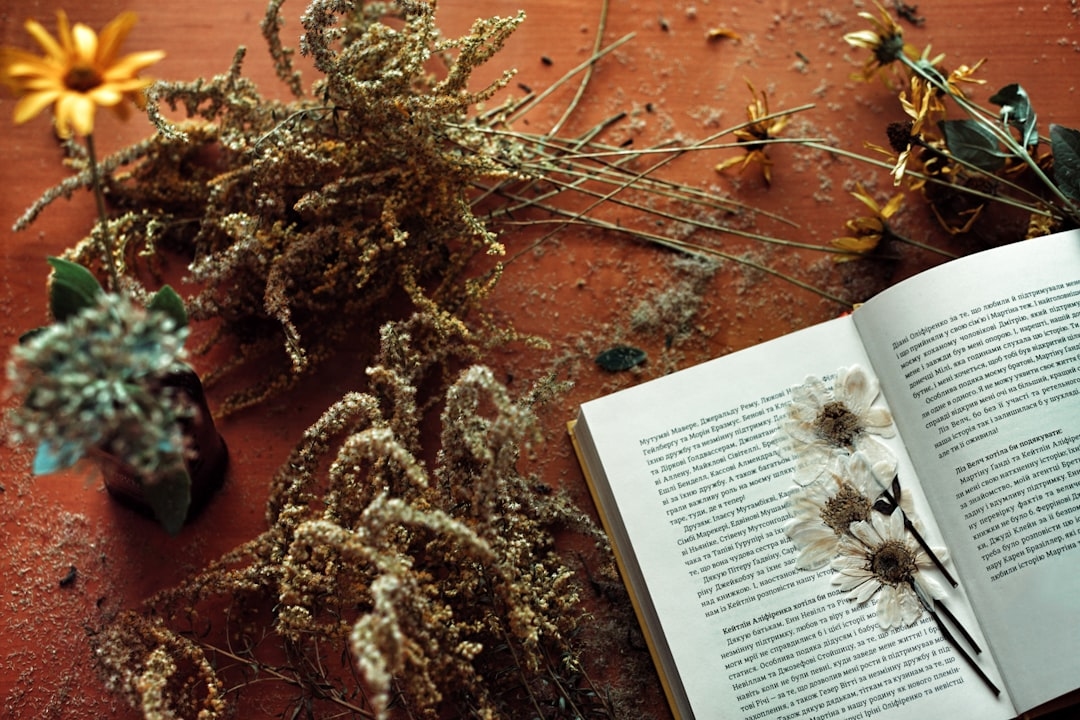
Buying advanced resources before you have your first season under your belt is a common — and expensive — mistake. If you haven’t grown commercially before, start with The Flower Farmer by Byczynski. It gives you a complete mental model of the operation before you invest in specialty resources. Once you know your marketing channel (farmers market, CSA, florist wholesale, weddings) and your anchor crops, then layer in targeted books like Discovering Dahlias or Cool Flowers.
Consider Your Climate and USDA Zone
Zone matters more in flower farming than almost any other agricultural pursuit. Benzakein’s timing guides are calibrated for Zone 8b in the Pacific Northwest. Ziegler’s fall-planting windows target Zone 7 Virginia. Before applying any specific schedule, cross-reference it against your own zone using the USDA Plant Hardiness Zone Map and adjust planting windows by 2–3 weeks per zone difference. A grower in Zone 5b Wisconsin will need to shift Benzakein’s early spring seeding dates at least three weeks later for outdoor production.
Evaluate Your Business Model
Different sales channels demand different knowledge. Wedding and event florists benefit most from design-heavy resources like Benzakein’s books. Farmers market growers need succession planting and harvest timing knowledge — The Flower Farmer and Cool Flowers deliver both. Wholesale growers and those supplying grocery floral departments should prioritize post-harvest handling data, which means Specialty Cut Flowers becomes essential even at its higher price point. Know who you’re selling to before you decide what to read.
Don’t Overlook the Free Resources
The ATTRA publication The Organic Flower Farmer costs nothing and is more rigorous than many paid titles. The USDA’s National Agricultural Library also maintains free extension publications on cut flower production from land-grant universities. University of Vermont, Cornell Cooperative Extension, and NC State have all published free guides on specific crops and post-harvest handling. These resources are less cohesive than a full book but can fill specific knowledge gaps at zero cost.
Building Your Flower Farming Library on a Budget
You don’t need every book on this list. A targeted $75–$80 investment covers most scenarios: pick up The Flower Farmer (~$25), Cool Flowers (~$18), and download The Organic Flower Farmer for free. That three-resource stack addresses commercial fundamentals, season extension, and sustainable inputs — the three highest-leverage areas for a new grower building toward profitability in years one through three.
Used copies of most titles are available on AbeBooks and ThriftBooks, often at 40–60% below retail. Specialty Cut Flowers, which retails new for over $100, regularly appears used for $25–$40. Library systems in agricultural states frequently stock Byczynski and Benzakein titles — check your county library’s digital catalog before purchasing.
Frequently Asked Questions About Flower Farming Books
What is the best book for beginner flower farmers?
The Flower Farmer by Lynn Byczynski is the most recommended starting point for new commercial growers. It covers the full spectrum of cut flower production — soil, crops, harvest, and marketing — in one practical volume and costs around $25.
Are Floret Farm books worth buying for commercial growers?
Yes, with a caveat. Benzakein’s books are excellent for crop scheduling, variety selection, and design inspiration, but they’re calibrated to Zone 8b Washington State. Growers in colder climates will need to adjust timing. For pure commercial fundamentals, pair Floret resources with Byczynski’s The Flower Farmer.
Is there a free flower farming book available?
The Organic Flower Farmer by Anne Mendenhall is available as a free PDF download from ATTRA (the National Sustainable Agriculture Information Service). It focuses on organic production methods and certification requirements.
What flower farming books cover post-harvest handling in depth?
Specialty Cut Flowers by Armitage and Laushman is the most comprehensive resource on post-harvest physiology, storage temperatures, and vase life by crop. It’s technical and expensive (often $60–$80), but no other book on the market covers this topic with the same rigor.
How many flower farming books do I actually need?
Most successful small-scale flower farmers operate effectively with three to five targeted titles. A comprehensive overview (The Flower Farmer), one or two crop-specific guides, and a reference volume like Specialty Cut Flowers covers the majority of production and marketing decisions you’ll encounter in your first five years of operation.
Start Reading, Start Growing
The best flower farming books don’t sit on shelves. The growers who get the most out of these resources keep them annotated, dog-eared, and within reach of the potting bench. Pick one title that matches your current stage, read it before your next seed order, and apply one specific recommendation — a new harvest timing, a fall planting trial, a no-till bed. That single applied idea is worth more than a shelf full of books left unread.
The cut flower industry in the US is growing. Local flower demand continues to climb as consumers and florists push back against imported stems with week-long transit times. The growers positioned to meet that demand are the ones investing in knowledge now — and the best flower farming books available today represent decades of field experience compressed into a few hundred pages. That’s a return on investment no seed catalog can match.