Contents:
- Why Floral Wire and Tape Selection Actually Matters
- The Best Floral Wire Tape Products: Ranked and Reviewed
- Quick Comparison: Best Floral Wire Tape at a Glance
- How to Choose the Right Floral Wire and Tape for Your Project
- Match Wire Gauge to Flower Head Weight
- Choose Tape Based on Humidity and Duration
- Consider Whether the Wire Will Be Visible
- Budget for the Scale of Your Project
- Common Mistakes to Avoid with Floral Wire and Tape
- Skipping the Conditioning Step on Wire
- Wrapping Tape at a 90-Degree Angle
- Using the Same Gauge for All Stems
- Where to Buy Floral Wire and Tape in the US
- Frequently Asked Questions About Floral Wire and Tape
- What is the best floral wire tape for beginners?
- What gauge floral wire should I use for roses?
- Does floral tape work without wire?
- How long does floral tape last on an arrangement?
- Can I use regular tape instead of floral tape?
- Building Your Starter Floral Supply Kit
Many crafters believe that floral wire and tape are interchangeable commodities — that any roll from the craft store bin will do the job. That’s a costly misconception. The wrong gauge wire snaps mid-arrangement. Cheap floral tape refuses to bond in humid conditions. And using stem tape meant for corsages on a large wedding centerpiece is a recipe for a sagging, lopsided mess. This guide cuts through the noise and breaks down the best floral wire tape options available today, so you can shop with clarity and build arrangements that actually hold.
Why Floral Wire and Tape Selection Actually Matters
Floral wire serves as the structural skeleton of any handmade arrangement. Tape is the skin that binds it together, sealing moisture and giving stems a natural look. Together, they determine how long your arrangement holds its shape — whether that’s a bridal bouquet lasting through a six-hour reception or a holiday wreath surviving three weeks on a front door in January cold.
Gauge numbers matter more than most beginners realize. Floral wire is measured in gauges ranging from 16 (thick, about 1.6mm diameter) to 30 (very fine, roughly 0.3mm). Lower numbers mean thicker, stiffer wire — better for heavy stems and structural support. Higher gauge numbers produce finer wire suited for delicate work like wiring individual petals or assembling hair accessories.
Floral tape, meanwhile, is a self-sealing, slightly stretchy crepe paper coated with a waxy adhesive that only activates under tension. It doesn’t stick like regular tape — you have to stretch it as you wrap. That distinction alone trips up most beginners.
“Most hobbyists grab whatever wire is cheapest, then wonder why their boutonnieres wilt by cocktail hour. The gauge and the tape coating work as a system — get one wrong and the whole stem assembly fails.”
— Marina Caldwell, Certified Floral Designer (AIFD), 14 years in professional event floristry, Denver, CO
The Best Floral Wire Tape Products: Ranked and Reviewed
The following products were evaluated on bond strength, ease of use, material quality, value per unit, and suitability for different skill levels. Pricing reflects current US market averages.
-
1. Oasis Floral Tape — Professional Grade Stem Wrap
Oasis is a name professional florists reach for without hesitation. Their stem tape is a half-inch wide, available in green, white, and brown, and stretches to roughly 1.5 times its resting length before bonding. That elasticity creates a tight, moisture-retaining seal around wire-reinforced stems. A single 60-yard roll retails for around $4.50 and handles approximately 80–100 corsage stems depending on technique. The tape tears cleanly by hand — no scissors needed mid-project. One mild drawback: in temperatures above 85°F, the wax coating can feel tacky before application, making it harder to handle outdoors during summer events.
Best for: Corsages, boutonnieres, and professional-level bouquets.
Price range: $4–$6 per roll -
2. Darice Floral Wire Assortment Pack — Best for Beginners
Darice packages a multi-gauge assortment (typically 20, 24, and 26 gauge) in a single kit, giving new DIY florists a starter toolkit without over-committing to one wire weight. The green-lacquered steel wires are pre-cut to 18 inches and come in packs of 100 per gauge. Steel construction means they hold shape through a full wedding day without bending unexpectedly. At around $8–$12 for a complete assortment, the value-per-stem cost is very low — roughly $0.03–$0.05 per wire. The lacquer coating can occasionally flake on older stock, so inspect packaging dates before purchasing.
Best for: First-time DIYers, gift wrapping, mixed-media crafts.
Price range: $8–$12 per assortment kit -
3. Hamilco Colored Craft Wire — Best for Decorative Work
When the wire itself will be visible — in open-weave wreaths, jewelry-adjacent floral pieces, or modern minimalist arrangements — Hamilco’s annealed copper craft wire is worth the upgrade. Available in gauges 18 through 28, the wire is dead-soft, meaning it bends with very little resistance and holds sculptural shapes. A 20-foot coil of 22-gauge copper retails for about $7. The tradeoff: copper offers less tensile strength than steel, so it’s not appropriate for heavy stems like sunflowers or garden roses. It excels in delicate decorative work — wiring individual petals, creating floral crowns, or wrapping thin herb bundles.
Best for: Visible wire projects, floral jewelry, fine detail work.
Price range: $6–$10 per coil -
4. WRAPAHOLIC Floral Tape — Best Budget Option
At roughly $2.50 per roll for a pack of 10 (totaling about $25), WRAPAHOLIC’s self-adhesive floral tape is a strong contender for high-volume DIY projects where cost control matters. Each roll is half-inch wide and 55 yards long. Bond strength is solid for lighter-weight applications — thin stems, wired ribbon accents, silk flower assembly. The tape performs less reliably on stems thicker than 0.25 inches, where the adhesive can loosen under moisture. Color consistency across rolls within the same pack can vary slightly. That said, for holiday craft projects, classroom workshops, or making practice arrangements, the per-unit savings are significant.
Best for: High-volume crafting, practice projects, budget-conscious buyers.
Price range: ~$2.50 per roll when purchased in multi-packs -
5. Lion Brand Floral Wire — 22-Gauge Steel, Single-Purpose Performer
For DIYers who work primarily with medium-weight stems — spray roses, lisianthus, waxflower — a dedicated 22-gauge steel wire is the sweet spot. Lion Brand’s single-gauge option comes in 100-stem bundles at 18 inches per piece and retails around $6–$8. The green coating blends naturally into wrapped arrangements and doesn’t require painting or additional concealment. Wire flexibility hits the right balance: stiff enough to support a small-headed bloom but pliable enough to insert through a fresh calyx without splitting. Not ideal for anything above 1.5 ounces of flower head weight without doubling the wire.
Best for: Spray flowers, smaller blooms, consistent single-gauge workflows.
Price range: $6–$8 per 100-count bundle -
6. Beadalon Artistic Wire — Best for Floral Crown and Accessory Work
Beadalon’s non-tarnish silver and gold artistic wires have crossed over from the jewelry-making world into floral accessories, and for good reason. Their 26-gauge non-tarnish silver wire (30-yard spool, approximately $5) maintains a bright metallic appearance even after 24–48 hours of contact with moist floral foam or wet stems. This is critical for wedding accessories — hair combs, crown frames, wrist corsage bases — where appearance is inseparable from function. The wire is slightly stiffer than basic craft wire, which makes it easier to form controlled loops and secure pearls or beads alongside florals.
Best for: Wedding accessories, floral crowns, decorative wiring with metallic elements.
Price range: $5–$9 per spool -
7. Panacea Products Cloth-Covered Floral Wire — Best for Elegant Presentation
Panacea wraps their 26-gauge steel wire in a thin cloth sleeve rather than a painted lacquer coat. The result is a slightly textured surface that grips floral tape and ribbon far better than smooth-coated alternatives. A bundle of 36 stems (18 inches each) retails around $5. The cloth covering also prevents the wire from cutting into soft petals during insertion — a subtle advantage when working with particularly delicate blooms like ranunculus or sweet peas. The primary limitation is availability: Panacea’s cloth-covered line is stocked by fewer retailers than standard lacquered wire, so ordering ahead for project deadlines is advisable.
Best for: Delicate blooms, ribbon-wrapped stems, high-presentation bouquets.
Price range: $5–$7 per bundle
Quick Comparison: Best Floral Wire Tape at a Glance
| Product | Type | Best Use | Price Range | Skill Level |
|---|---|---|---|---|
| Oasis Floral Tape | Stem tape | Corsages, boutonnieres | $4–$6/roll | All levels |
| Darice Assortment Pack | Multi-gauge wire | Beginners, variety projects | $8–$12/kit | Beginner |
| Hamilco Craft Wire | Copper wire | Decorative, visible wire | $6–$10/coil | Intermediate |
| WRAPAHOLIC Tape | Stem tape (budget) | High-volume crafting | ~$2.50/roll | Beginner |
| Lion Brand 22-Gauge | Steel wire | Medium-weight stems | $6–$8/bundle | All levels |
| Beadalon Artistic Wire | Non-tarnish wire | Floral crowns, accessories | $5–$9/spool | Intermediate |
| Panacea Cloth-Covered | Cloth-wrapped wire | Delicate blooms, ribbon work | $5–$7/bundle | Intermediate |
How to Choose the Right Floral Wire and Tape for Your Project
Before purchasing, three questions narrow the field quickly: What is the project type? What is the environment (indoor, outdoor, humid)? And how long does the arrangement need to hold?
Match Wire Gauge to Flower Head Weight
A general rule: for flower heads weighing under 0.5 ounces (think baby’s breath, waxflower, or individual spray rose heads), use 26–28 gauge wire. For medium-weight blooms between 0.5 and 1.5 ounces — standard roses, lisianthus, ranunculus — 22–24 gauge is the reliable choice. Heavy-headed flowers like sunflowers, large dahlias, or garden roses over 2 inches in diameter require 18–20 gauge wire, often doubled or reinforced with a second strand alongside the natural stem.
Choose Tape Based on Humidity and Duration
For outdoor summer events in the South or Southeast US (USDA zones 8–11, where humidity regularly exceeds 70%), prioritize tapes with strong wax coatings — Oasis is a consistent performer here. For indoor arrangements meant to last 7–14 days, standard green floral tape from any reputable brand works fine. If the arrangement will be worn (corsages, crowns), opt for tape with higher stretch-to-bond ratios, since body heat and movement stress the seal throughout the day.
Consider Whether the Wire Will Be Visible
Green lacquered steel wire disappears under tape or foliage with no additional treatment. Exposed wire — in modern arrangements, geometric structures, or wearable pieces — calls for copper, cloth-covered, or non-tarnish metallic wire. No amount of artful tape-wrapping substitutes for choosing the right surface finish from the start.
Budget for the Scale of Your Project
A single bridal bouquet uses roughly 20–30 wired stems and about 15–20 yards of floral tape. A full wedding’s worth of arrangements — ceremony arch, six centerpieces, two bouquets, twelve boutonnieres — can consume 200+ wires and 4–5 rolls of tape. Buying in bulk from online retailers (Amazon, Afloral, or direct from Oasis distributors) can reduce per-unit costs by 30–40% compared to craft store single-roll pricing.
🌿 What the Pros Know
Professional florists always pre-stretch their floral tape before starting a project. Pull the tape to about 75% of its maximum stretch across the full roll before you begin wrapping. This activates the wax coating evenly and makes the tape significantly more pliable during application — reducing tearing and improving adhesion, especially in air-conditioned workspaces where the tape can stiffen slightly.
Common Mistakes to Avoid with Floral Wire and Tape
Skipping the Conditioning Step on Wire
Straight-from-the-package wire often has minor kinks from packaging. Running the wire between your thumb and forefinger once or twice straightens it without weakening the metal. Starting with a kinked wire means the finished stem will have an unintended bend that no amount of tape corrects.
Wrapping Tape at a 90-Degree Angle
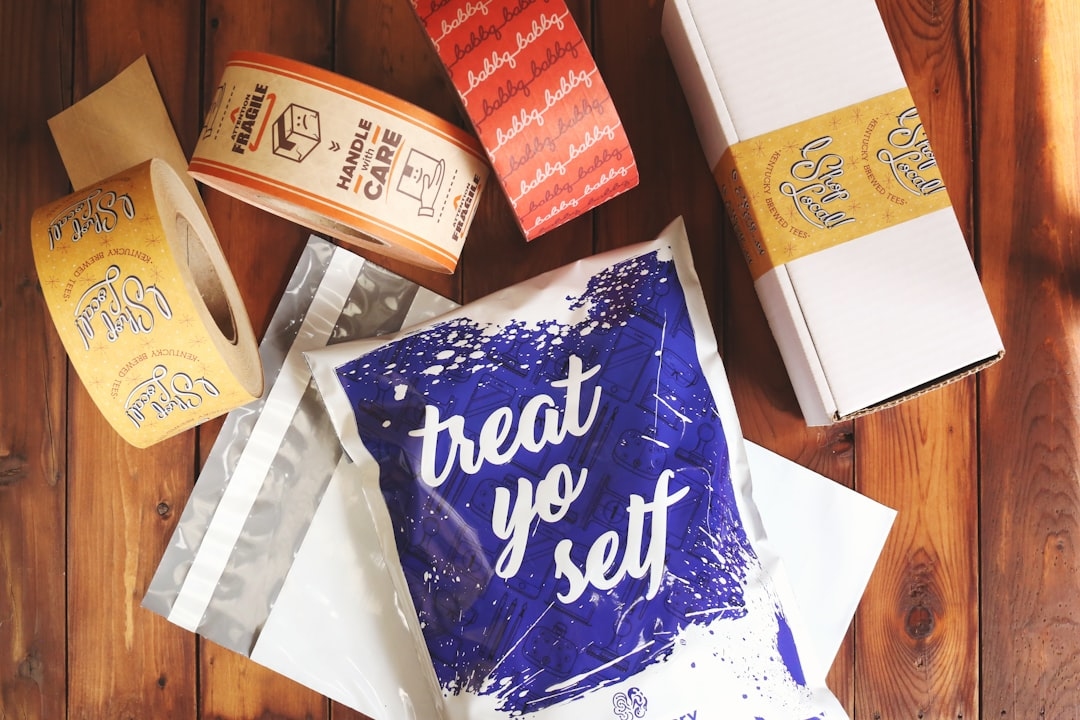
Floral tape applied perpendicular to the stem creates a lumpy, uneven texture that’s visible through thin ribbon and looks amateur in finished work. Wrap at a 45-degree angle with consistent tension. Each layer should slightly overlap the previous one by about one-third of the tape’s width.
Using the Same Gauge for All Stems
Standardizing on one gauge is tempting for efficiency, but it creates real problems. A 26-gauge wire through a dahlia stem will buckle within hours under the weight of the flower head. A 20-gauge wire inserted through a delicate ranunculus calyx tears the petals. Match the gauge to each bloom type, even if that means keeping three or four gauges in your toolkit.
Where to Buy Floral Wire and Tape in the US
Craft chains like Michaels and Hobby Lobby stock a reliable selection of basic gauges and Oasis-brand tape, often with 40–50% off coupons available through their apps. For professional-grade or specialty options — particularly cloth-covered wire, non-tarnish metals, or bulk tape rolls — online retailers like Afloral.com, Save-On-Crafts, and Amazon offer broader selections at lower per-unit costs. FiftyFlowers.com stocks floral supplies alongside fresh flower bundles, useful when ordering both materials and blooms for a single project.
Wholesale floral suppliers (accessible through a state business license in most US states) offer the best pricing for anyone doing more than two or three significant arrangements per year. A 12-roll case of Oasis floral tape from a wholesale distributor runs approximately $28–$34, compared to $4–$6 per roll at retail — a savings that adds up quickly on larger projects.
Frequently Asked Questions About Floral Wire and Tape
What is the best floral wire tape for beginners?
For beginners, the Darice multi-gauge wire assortment paired with Oasis floral tape is the most forgiving combination. The multi-gauge kit eliminates guesswork about which wire to use, and Oasis tape’s consistent stretch-to-bond ratio is easier to control than budget alternatives.
What gauge floral wire should I use for roses?
Standard hybrid tea roses (heads roughly 1.5–2 inches in diameter) work best with 22-gauge wire. For large garden roses or double-headed varieties exceeding 2.5 inches, step down to 20-gauge or use a doubled 22-gauge wire for additional support.
Does floral tape work without wire?
Yes, but with limitations. Floral tape can bind natural stems together, add grip to slippery stems, and conceal mechanics without any wire present. However, it does not add structural support on its own — a soft or damaged stem wrapped in tape will still droop. Use wire when the stem needs to hold a specific angle or support a heavy flower head.
How long does floral tape last on an arrangement?
Quality floral tape on a properly prepared stem remains bonded for 7–21 days under normal indoor conditions (65–75°F, moderate humidity). High heat, direct sunlight, or repeated moisture exposure shortens that window. For multi-week display arrangements, check the tape bond at day 7 and rewrap any sections showing loosening.
Can I use regular tape instead of floral tape?
Regular adhesive tape — masking, scotch, or painter’s tape — lacks the stretch and wax-activated bond that makes floral tape effective. It does not conform to irregular stem shapes, tends to loosen with moisture, and creates a visible, unnatural appearance. For any project meant to last more than a few hours, purpose-made floral tape is worth the minimal additional cost.
Building Your Starter Floral Supply Kit
A practical starter kit for a DIY florist tackling a mid-size project — say, a bridal bouquet plus four small centerpieces — needs the following minimum: one bundle of 22-gauge green steel wire (100 count), one bundle of 26-gauge green steel wire (100 count), two rolls of green Oasis floral tape, and one roll of white Oasis tape for boutonnieres or corsages. Total investment at retail: approximately $20–$25. Add a pair of wire cutters (not scissors — wire dulls blades fast) and a floral knife, and you have a functional workspace for under $40.
As your project scope grows, build toward a full gauge range from 18 to 28, specialty tapes in brown and white, and a small spool of Hamilco copper wire for accent work. That expanded toolkit covers roughly 95% of DIY floral scenarios, from casual home arrangements to full wedding florals made entirely in-house.