Contents:
- What Is Proven Winners and How Did It Start?
- Proven Winners Flowers Review: Plant Quality Up Close
- Root System and Transplant Health
- Disease Resistance and Longevity
- Variety Innovation
- Proven Winners Pricing: What You’re Actually Paying For
- Seasonal Planting Timeline for Proven Winners Plants
- Where Proven Winners Outperforms Generic Plants
- Container Gardening
- High-Visibility Beds and Curb Appeal
- Challenging Conditions
- Honest Pros and Cons of Proven Winners Plants
- What’s Working in Their Favor
- Legitimate Criticisms
- Practical Tips for Getting the Most Value
- FAQ: Proven Winners Flowers Review
- Are Proven Winners plants worth the extra cost?
- Where can I buy Proven Winners plants?
- Do Proven Winners plants come back every year?
- How do Proven Winners plants compare to generic nursery plants?
- Can I order Proven Winners plants online?
- The Bottom Line: How to Shop Smart
Proven Winners plants are genuinely higher quality than most generic nursery stock — better root systems, consistent performance, and strong disease resistance. But you pay a premium: expect $6–$14 per plant versus $2–$5 for unbranded alternatives. For high-visibility containers and front-yard beds where results matter, the upgrade is worth it. For filling large areas on a budget, mix in less expensive plants strategically.
Branded plants outsell generic nursery stock by a wide margin — and that gap keeps growing. Proven Winners, the most recognized plant brand in North America, moves over 500 million plants annually through 15,000+ retail locations. That’s not a marketing fluke. Gardeners who’ve tried their proven winners flowers once tend to come back, and there are specific, measurable reasons why.
This review breaks down what you actually get for the premium price, where the value holds up, and where smarter spending makes more sense. No fluff — just honest analysis for gardeners who want gorgeous results without throwing money around carelessly.
What Is Proven Winners and How Did It Start?
Proven Winners launched in 1993 as a collaborative effort between three independent plant breeders — one each from the US, Europe, and Israel. The founding idea was straightforward: trial hundreds of new plant varieties under real garden conditions, select only the top performers, and bring those winners to market under a unified brand with consistent quality standards.
Today the brand is owned and operated by a network of licensed wholesale growers across the country. When you buy a Proven Winners plant at your local garden center, it was grown by a regional grower who met strict licensing standards — not shipped across the country from a single mega-nursery. That regional growing model matters more than most shoppers realize. Plants haven’t been stressed by long-distance shipping, and they’re typically fresher than big-box imports.
The white pot with the distinctive logo has become shorthand for “this plant was actually tested.” Over 2,000 new varieties have been trialed since the brand launched, but only a fraction ever make it to retail shelves. That selection process is the backbone of what Proven Winners sells — not just plants, but a reduced risk of failure.
Proven Winners Flowers Review: Plant Quality Up Close
Walk into any garden center and compare a Proven Winners plant side-by-side with a generic equivalent. The differences are visible before you even touch the pot.
Root System and Transplant Health
Proven Winners plants are grown using a pinching and growing protocol that encourages lateral branching from an early stage. The result is a denser, more developed root ball. When you unpot a Proven Winners Supertunia versus a generic petunia at the same price point, the root mass is noticeably fuller — which translates directly into faster establishment after transplanting and better drought tolerance through summer heat.
Independent trials at the University of Georgia’s Trial Gardens have consistently ranked Proven Winners varieties in the top tier for garden performance, with several Calibrachoa and Salvia selections scoring over 90 out of 100 for vigor and flower coverage.
Disease Resistance and Longevity
One of the most practical advantages of trialed varieties is built-in disease resistance. The Proven Winners Proven Accents sweet potato vine, for example, was selected partly for its resistance to fungal issues that plague standard varieties in humid climates. Their Incrediball hydrangea holds its massive blooms upright without flopping — a trait specifically selected through the breeding program, not just a marketing claim.
In a typical summer, a well-planted Proven Winners annual will bloom continuously from late May through the first hard frost — roughly 18–22 weeks of color in USDA Zones 5–7. Generic annuals from unbranded trays often start declining in August due to heat stress or disease pressure.
Variety Innovation
Proven Winners introduces 100–150 new varieties every year across annuals, perennials, shrubs, and edibles. Some of the brand’s most well-known introductions include:
- Supertunia Vista Bubblegum — a spreading petunia that can cover 3–4 feet of ground by midsummer
- Limelight Hydrangea — now one of the best-selling hydrangeas in the US, known for panicles that age from chartreuse to pink
- Diamond Snow Euphorbia — a delicate white filler that holds up in heat better than traditional baby’s breath alternatives
- ColorBlaze Coleus — trialed specifically for sun tolerance, unlike older coleus varieties that scorch in direct afternoon light
Proven Winners Pricing: What You’re Actually Paying For
Here’s where budget-conscious gardeners need to do some math. Proven Winners plants at retail typically run:
- 4.5-inch annuals: $6–$9 each
- Quart perennials: $8–$12 each
- 1-gallon shrubs: $12–$18 each
- 3-gallon shrubs: $25–$45 each
Compare that to unbranded equivalents at big-box stores: generic 4-inch annuals often sell for $2–$4 in 6-packs. The per-plant price gap is real. But the comparison isn’t entirely fair on a cost-per-performance basis.
A single Proven Winners Supertunia in a 12-inch container can fill the entire pot by July — you’d need 3–4 generic petunias to achieve the same visual mass, and they’d require more deadheading and feeding. When you account for the plants you’d use to achieve equivalent coverage, the price gap narrows significantly.
For large-scale planting — filling a 500 square foot bed, for example — the math tilts the other way. Mixing Proven Winners focal plants (one per grouping) with less expensive filler varieties is a smarter approach than buying exclusively branded plants at full price.
Seasonal Planting Timeline for Proven Winners Plants
Getting the most out of Proven Winners plants means timing purchases correctly. Here’s a practical calendar framework for most of the US (adjust 2–4 weeks for colder or warmer regions):
- Late February – March: Shop online at ProvenWinners.com for shrubs and perennials shipped directly. Selection is widest and plants ship before local garden centers stock up. Direct shipping typically costs $6–$12 per order.
- April (Zones 7–9) / May (Zones 5–6): Garden centers receive their first Proven Winners shipments. Best time to buy annuals — plants are fresh from the regional grower and haven’t been sitting under fluorescent lights for weeks.
- Memorial Day Weekend: The unofficial start of heavy planting season. Most garden centers are fully stocked. Prices are at full retail, but selection is excellent.
- June – Early July: Watch for 20–30% markdowns on annuals as initial buying frenzy slows. Plants are still in great shape and have a full growing season ahead.
- Late July – August: Deep discounts (40–60% off) appear, but annuals have less runway before frost. Better for perennials and shrubs, which establish roots through fall regardless of bloom timing.
- September – October: Ideal time to plant Proven Winners shrubs and perennials. Cooler temps reduce transplant stress, and the root systems establish through fall for a stronger debut next spring.
Where Proven Winners Outperforms Generic Plants
Not every planting situation calls for branded plants, but some genuinely do. Here’s where the quality difference shows up most clearly:
Container Gardening
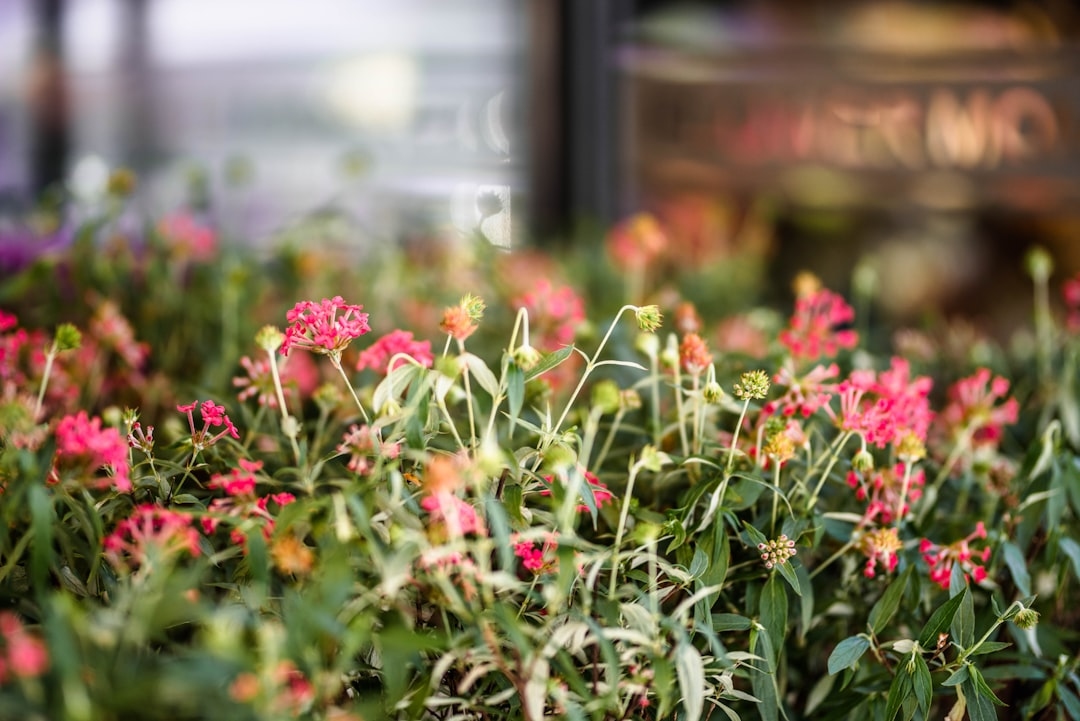
Containers are the strongest case for Proven Winners. Confined root space, heat stress from pot walls, and the need for continuous bloom make performance traits critical. The brand’s Combination Recipes — pre-matched groupings of thriller, filler, and spiller plants — take guesswork out of container design. A well-executed 16-inch pot using their suggested combinations can look professional all season with weekly watering and bi-weekly fertilizing.
High-Visibility Beds and Curb Appeal
For the planting strip along the front walk or the first bed visitors see, performance and visual consistency matter. Proven Winners varieties are bred for uniform color, consistent height, and non-stop bloom — traits that make a bed look designed rather than accidental.
Challenging Conditions
Heat, humidity, drought, and shade are where trialed varieties earn their price. The Endless Summer hydrangea series (a Proven Winners introduction) was specifically developed to rebloom on new wood — critical in Zone 5–6 gardens where late frosts kill old wood and eliminate blooms on standard mophead hydrangeas.
Honest Pros and Cons of Proven Winners Plants
What’s Working in Their Favor
- Varieties are field-trialed before release — genuine performance data, not just catalog photography
- Regional growing means fresher plants with less shipping stress
- Consistent availability: the same named variety performs the same way year to year
- Excellent online plant care resources, including a plant finder tool that filters by zone, sun exposure, and mature size
- Strong retail presence — available at independent garden centers, Home Depot, Lowe’s, and online direct
Legitimate Criticisms
- Premium pricing puts full Proven Winners gardens out of reach for budget gardeners
- Some popular varieties (especially hydrangeas) have become so ubiquitous they’ve lost the novelty factor
- Not every variety lives up to the brand’s reputation — their vegetable selections, for example, receive more mixed reviews than their ornamentals
- Direct shipping quality is inconsistent based on customer reviews — plants sometimes arrive stressed, and the return process can be cumbersome
- Big-box retailers don’t always maintain the plants well after delivery, so buying at a dedicated garden center is advisable
Practical Tips for Getting the Most Value
You don’t have to choose between quality and budget. These strategies let you use Proven Winners plants strategically without overspending:
- Buy shrubs and perennials, not just annuals. A $15 Proven Winners Spirea comes back every year and spreads over time. The per-year cost drops below any annual after the second season.
- Use one Proven Winners “thriller” per container, then fill with less expensive plants around it. The focal plant drives the wow factor; cheap fillers support it.
- Shop end-of-season sales for perennials. A $12 Salvia nemorosa marked down to $5 in August will bloom beautifully next June. The plant doesn’t care that you bought it on clearance.
- Join the ProvenWinners.com email list. They run $10-off direct shipping promotions several times per year, which meaningfully offsets the premium.
- Propagate what you can. Many Proven Winners annuals like Superbells Calibrachoa and Supertunia petunias root easily from cuttings. Take cuttings in late summer, overwinter them indoors, and you have free plants next spring.
FAQ: Proven Winners Flowers Review
Are Proven Winners plants worth the extra cost?
For containers, high-visibility beds, and challenging growing conditions, yes — the performance difference justifies the price. For large-scale planting on a budget, mix Proven Winners focal plants with less expensive fillers to balance quality and cost.
Where can I buy Proven Winners plants?
Proven Winners are sold at most independent garden centers, Home Depot, Lowe’s, and directly through ProvenWinners.com. Independent garden centers tend to receive and maintain the freshest stock. The brand’s website includes a retailer locator by zip code.
Do Proven Winners plants come back every year?
It depends on the plant type. Their perennials and shrubs return annually within the appropriate USDA hardiness zone. Most of their popular annuals — petunias, calibrachoa, impatiens — are warm-season plants that die after frost and need to be replanted each spring.
How do Proven Winners plants compare to generic nursery plants?
Proven Winners varieties are field-trialed for performance, disease resistance, and garden longevity before release. Generic nursery plants are often grown from cheaper seed or cuttings with no performance selection. The quality difference is most visible in disease resistance, bloom duration, and heat tolerance through summer.
Can I order Proven Winners plants online?
Yes. ProvenWinners.com ships directly to most US addresses. Shipping costs $6–$12 per order, and plants are shipped in late spring to early summer based on your USDA zone. Reviews of direct shipping are mixed — plants occasionally arrive stressed — so buying locally from a well-maintained garden center is generally preferable when possible.
The Bottom Line: How to Shop Smart
The this proven winners flowers review comes down to this: the brand delivers on its core promise. Plants are genuinely selected for performance, and the quality difference is real and measurable. But “worth it” depends entirely on where you’re planting and what you’re trying to achieve.
Spend the premium on shrubs and perennials — they’re multi-year investments where quality compounds over time. Spend it on containers and front-yard beds where people actually look. And for the back fence, the side yard, or any space where volume matters more than perfection, save your money and buy generic.
Before next planting season, use Proven Winners’ free online Plant Finder tool to identify 3–5 varieties that match your specific conditions. Then cross-check local garden center inventory in March before stock runs out. The best-performing varieties — Limelight hydrangea, Supertunia Vista Bubblegum, Incrediball hydrangea — sell out fast at independent garden centers and often aren’t restocked mid-season. Plan early, buy smart, and your garden will look like you spent twice as much as you did.